When Are the Best Fishing Days on Florida's Nature Coast?

Published: November 18, 2026
Fishing conditions along Florida's Nature Coast can change quickly, so the best fishing days on Florida's Nature Coast are not determined by one date or a single forecast. Productive conditions often depend on how tides, weather, wind, water temperature, bait activity, and seasonal fish patterns come together. The Nature Coast offers extensive shallow-water inshore fishing areas where changing conditions can affect where fish hold and how they feed. A fishing calendar or solunar forecast can provide useful planning information, but it cannot account for every local change on the water. Anglers can make better decisions by comparing tide times with weather forecasts, recent fishing reports, water conditions, and seasonal patterns. Looking at these factors together provides a more practical way to choose a fishing day and prepare for the conditions that may be present on the water.
What Makes a Good Fishing Day on Florida's Nature Coast?
A good fishing day depends on several conditions working together rather than one factor deciding the outcome. Anglers should compare tidal movement, water conditions, weather, and wind to understand where fish may hold and when feeding opportunities may develop.
- Tidal Movement: Moving water can carry bait through shallow flats, estuaries, channels, and other inshore areas, creating feeding opportunities. Incoming and outgoing tides can both be productive depending on location, species, and timing. Checking Bayport tides for fishing helps anglers understand when water movement may be strongest.
- Water Conditions: Water temperature, clarity, depth, and movement can influence where fish position themselves. Changes in these conditions may cause fish to move between shallow flats, deeper channels, grass areas, and protected water. Monitoring Bayport fishing conditions can help anglers adjust their approach to current conditions.
- Weather and Wind: Wind direction, cloud cover, temperature changes, and approaching fronts can affect water movement, visibility, bait activity, and fish behavior. These factors should be considered alongside tides rather than separately when planning Nature Coast inshore fishing.
How Do Tides Affect the Best Time to Go Fishing?
Tides influence how water moves through shallow flats, grass areas, channels, and estuaries, which can affect where bait and inshore fish position themselves. For anglers planning Bayport fishing, understanding the relationship between tide movement and habitat can make timing more practical.
- Incoming Tide: Rising water can push bait farther onto shallow flats, grass, and estuary edges while giving fish access to areas that may be too shallow at lower water levels. The amount of water movement and the surrounding habitat both matter when choosing where to fish.
- Outgoing Tide: Falling water can move bait away from shallow areas and toward drains, channels, cuts, and other areas with stronger current. Fish may position themselves along these flow paths to feed, but results depend on the location and actual current strength.
- Tide Timing: The strongest part of a tide is not automatically the most productive period. Anglers should match tide movement with the target species, fishing location, water conditions, and recent activity. Reviewing Bayport tides for fishing can help plan Bayport inshore fishing around these changing conditions.
How Does Weather Affect Fishing Days?
Weather changes can affect fish activity, water movement, and where anglers can effectively fish. Before a weather front, shifts in pressure, wind, and temperature may influence feeding behavior, but fish do not always become more active. After a front, colder temperatures, stronger winds, and changing water conditions can cause fish to move or become less active. Anglers may need to adjust depth, retrieve speed, bait choice, or presentation based on these changes rather than relying on a fixed pattern.
Wind direction and strength can also affect water clarity, surface conditions, bait movement, and access to shallow areas. Exposed flats may become difficult to fish when wind increases, while sheltered creeks, estuaries, or protected shoreline areas may offer more practical conditions. Cloud cover and changing sunlight can further affect shallow-water fishing by altering visibility and lure contrast. Considering these weather factors alongside tides provides a more accurate picture of the day's fishing conditions.
Does Water Temperature Help Predict Better Fishing Days?
Water temperature helps anglers understand seasonal fish movement and changes in habitat use. Warming trends can encourage some fish to move toward shallower areas, while cooling trends may shift fish toward deeper or more protected water. A stable temperature pattern can provide more predictable conditions, while a sudden change may alter location and feeding behavior.
Temperature should not be used alone to determine the best time to fish Hernando County. Tides, bait activity, weather, water clarity, and recent fishing activity provide important context. Monitoring Bayport fishing conditions alongside temperature can help anglers adjust depth, location, and presentation during Hernando County inshore fishing trips.
How Do Seasonal Patterns Affect the Best Fishing Days?
Seasonal changes affect water temperature, bait movement, fish location, and overall fishing conditions along the Nature Coast. Each season presents different patterns, but conditions can still vary within the same period. Anglers can use a Hernando County fishing calendar for seasonal context, then compare it with recent weather, tides, water conditions, and fishing reports before choosing a day.
Spring
Spring brings warming water, increased fish movement, and changing bait activity across shallow flats and estuaries. As temperatures rise, fish may shift between depths and habitats more frequently. Weather changes can also affect water temperature and clarity within short periods. Reviewing a Hernando County fishing report alongside recent conditions helps anglers account for these rapid seasonal changes when selecting fishing days.
Summer
Summer brings warmer water and can make shallow-water conditions change throughout the day. Anglers should consider tides, water temperature, wind, and available shelter when choosing suitable fishing days. Early or later periods may offer different conditions, but no single period consistently produces the same results. A Hernando County fishing calendar can provide seasonal context for planning trips.
Fall
Fall brings cooling water, changing bait movement, and transitions in fish location as seasonal conditions shift. Temperature declines can encourage fish to move between shallow and deeper areas, while weather fronts may alter wind, water clarity, and feeding patterns. Comparing seasonal trends with a Hernando County fishing report can help anglers recognize current conditions rather than relying solely on historical patterns.
Winter
Winter brings cooler water and generally slower changes in fish location, making temperature trends and stable conditions important when planning trips. Fish may favor areas that provide suitable depth and protection from colder water. Stable weather can make conditions easier to assess, while favorable tides can still influence feeding opportunities. These factors remain important for Nature Coast inshore fishing during colder periods.
Can a Fishing Calendar Tell You the Best Fishing Day?
A Fishing Calendar can identify predicted periods of increased fish activity based on factors such as lunar and solunar cycles. A Lunar Fishing Calendar can provide useful timing information around moon phases, but it cannot account for local tides, wind, water temperature, bait movement, or changing water conditions.
Anglers should use calendar predictions alongside a Fishing Barometer, current tide information, weather forecasts, water conditions, and recent fishing reports. These sources provide local context that calendar predictions cannot capture. A calendar is therefore best used as one planning input rather than a guarantee of fishing success on a particular day.
How Can You Choose the Best Fishing Day for Your Target Species?
Choosing a productive fishing day should start with the species being targeted because different fish respond differently to habitat, temperature, tides, bait, and seasonal conditions. Rather than relying on one general fishing calendar, anglers should compare species behavior with current local conditions.
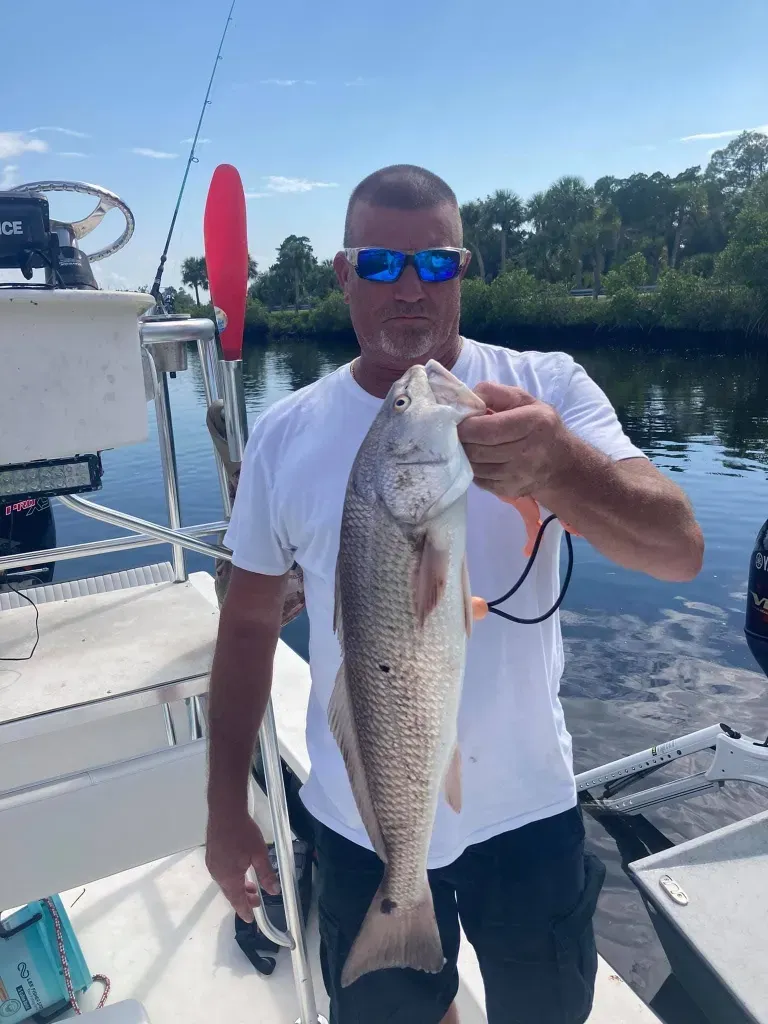
- Redfish: Look for suitable shallow-water habitat, appropriate tidal movement, and current conditions that support feeding activity around flats, grass, and estuary edges.
- Speckled Trout: Consider seasonal movement, water temperature, available bait, water clarity, and depth when selecting locations and timing.
- Snook: Consider seasonal movement and habitat alongside current conditions, while checking applicable regulations before planning a trip or keeping fish.
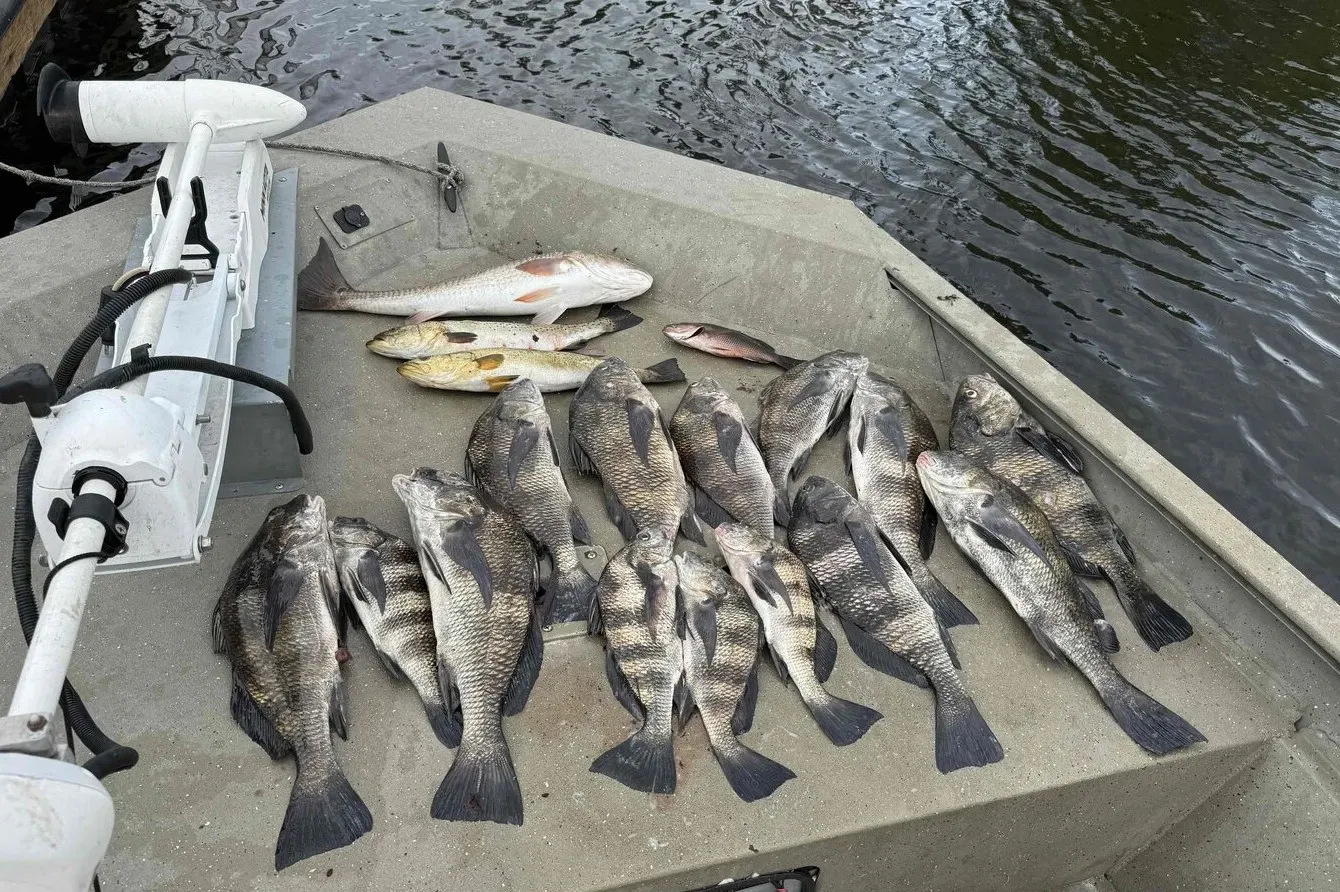
- Other Inshore Species: Cobia, grouper, sheepshead, and other species can respond differently to seasonal changes, water temperature, structure, depth, and bait availability. Matching the day's conditions to the intended species provides a more practical approach than using one universal calendar.
Planning Your Fishing Trip With Reel Shallow Fishn Charters
Choosing a fishing day involves more than checking a calendar or selecting a date based on predicted activity. Tides, wind, water temperature, clarity, bait movement, and recent weather can all influence where fish hold and how they feed. For anglers planning Nature Coast inshore fishing, comparing these factors can provide a more useful picture of the conditions likely to be present.
Captain Gary Strickland and Reel Shallow Fishn Charters fishes throughout Hernando County, including Bayport, Hernando Beach, Spring Hill, and Weeki Wachee. The approach focuses on reading the tides and adjusting the day's fishing plan according to current water and weather conditions. This allows the target area, depth, bait, and presentation to be considered based on what the water is showing rather than following one fixed pattern.
Recent fishing reports can also provide local context before a trip. Information about species activity, bait, water conditions, depth, and techniques can help anglers understand recent patterns and prepare accordingly. Combining these reports with tide and weather information creates a more practical basis for selecting a fishing day.
Conclusion
There is no single guaranteed Best Fishing Days on Florida's Nature Coast because conditions change with tides, weather, wind, water temperature, bait activity, seasonal patterns, and recent fishing reports. The most suitable day for one species or fishing approach may differ from another, so anglers should review current conditions shortly before heading out. Comparing these factors provides a more informed way to plan a trip and adjust expectations. For local guidance based on current conditions, contact Reel Shallow Fishn Charters and plan your next Nature Coast fishing trip.
FAQs
- What are the best fishing days on Florida's Nature Coast?
There is no single best day for everyone. Productive conditions depend on tides, weather, wind, water temperature, bait activity, seasonal patterns, and recent fishing conditions. - What tide is best for fishing on the Nature Coast?
Both incoming and outgoing tides can provide feeding opportunities. The better option depends on the target species, location, water movement, bait activity, and conditions present during the tide. - Is an incoming or outgoing tide better for inshore fishing?
Neither tide is universally better. Incoming water can move bait onto shallow flats, while outgoing water can carry bait toward drains and channels where fish may position themselves. - How does weather affect fishing on the Nature Coast?
Weather can change wind, water temperature, clarity, surface conditions, and fish location. Fronts and sudden temperature changes may also affect feeding behavior, making current weather important when planning a trip. - Does a full moon mean better fishing?
A full moon can influence tides and nighttime light conditions, but it does not guarantee better fishing. Moon phases should be considered alongside tides, weather, bait activity, and recent fishing reports. - Can a fishing calendar predict a good fishing day?
A Fishing Calendar can identify predicted activity periods based on lunar or solunar information. It is useful for planning, but it cannot account for every local change in weather, water, tides, or fish behavior. - How do I use a fishing forecast for today?
Compare the forecast with current tide times, wind, temperature, water conditions, and recent fishing reports. This helps determine whether predicted conditions align with the target species and planned fishing location. - What should I check before planning a Bayport fishing trip?
Check Bayport fishing conditions, tide timing, wind direction and strength, weather changes, water temperature, water clarity, recent bait activity, and current fishing reports before selecting a day. - How do water temperature and wind affect inshore fishing?
Water temperature can influence seasonal fish movement and depth, while wind can affect water clarity, bait movement, current, and access to shallow areas. Both should be considered with tides and recent activity. - What should I look for in a Hernando County fishing report?
Look for recent information about target species, location, water temperature, clarity, depth, bait activity, tides, weather, and successful techniques. These details provide useful context when planning Hernando County inshore fishing.