Best Time to Fish Hernando County: Seasons, Tides and Target Species

Published: November 18, 2026
Knowing the best time to fish Hernando County depends on more than choosing a particular month or hour. Different species respond to seasonal changes, tidal movement, and changing conditions throughout the day, so there is no single time that consistently suits every target. Season provides the broader pattern, while tides influence water movement across flats, creeks, channels, and estuarine areas. Time of day adds another layer as temperature, light, wind, and water conditions change. Habitat also matters, since grass flats, marshes, shallow areas, and deeper channels can function differently under the same conditions. Water temperature and salinity can shift with the season, rainfall, and freshwater input, while weather can alter clarity and surface conditions. Understanding how these factors work together provides a more useful way to plan Hernando County inshore fishing throughout the year.
What Is the Best Season, Month, and Time of Day of the Year for Different Target Species?
Target species use Hernando County's coastal waters differently throughout the year. Seasonal patterns can help with planning, but habitat conditions, weather, temperature, tides, and regulations can all affect where fish are found on a particular day.
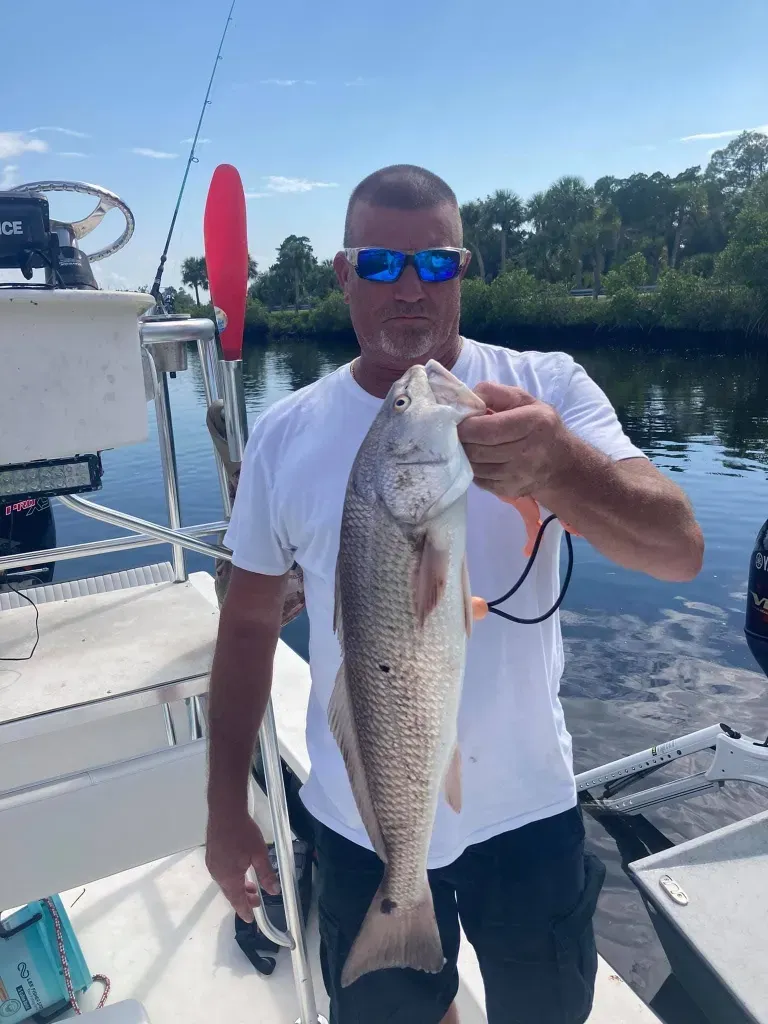
Redfish
Redfish remain relevant throughout the year in the Hernando and Pasco area, according to FWC. Their use of shallow flats, marshes, grass, and connected coastal habitat can change as water conditions shift through the seasons.
- Best Season: Year-round, with habitat use changing as water temperature, depth, and surrounding conditions change.
- Best Month: There is no single month identified by FWC as the best for redfish in Hernando County. Different months can offer different environmental conditions for redfish fishing Hernando County.
- Best Time of Day: Morning or later daylight periods can both provide opportunities, but actual conditions are more important than treating one part of the day as universally best.
Speckled Trout
FWC lists spotted seatrout for Hernando and Pasco counties as a spring-summer fishery with January also identified as an important period. Their association with seagrasses and estuarine habitat makes the surrounding environment important when considering timing.
- Best Season: Spring and summer are the primary periods identified by FWC, with January also listed.
- Best Month: January, along with the broader spring and summer period, can be considered when planning speckled trout fishing Hernando County. Conditions can still vary between individual days.
- Best Time of Day: Daylight hours provide access to grass flats and estuarine habitat, but water clarity, temperature, tide, and weather can influence conditions more than a fixed clock time.
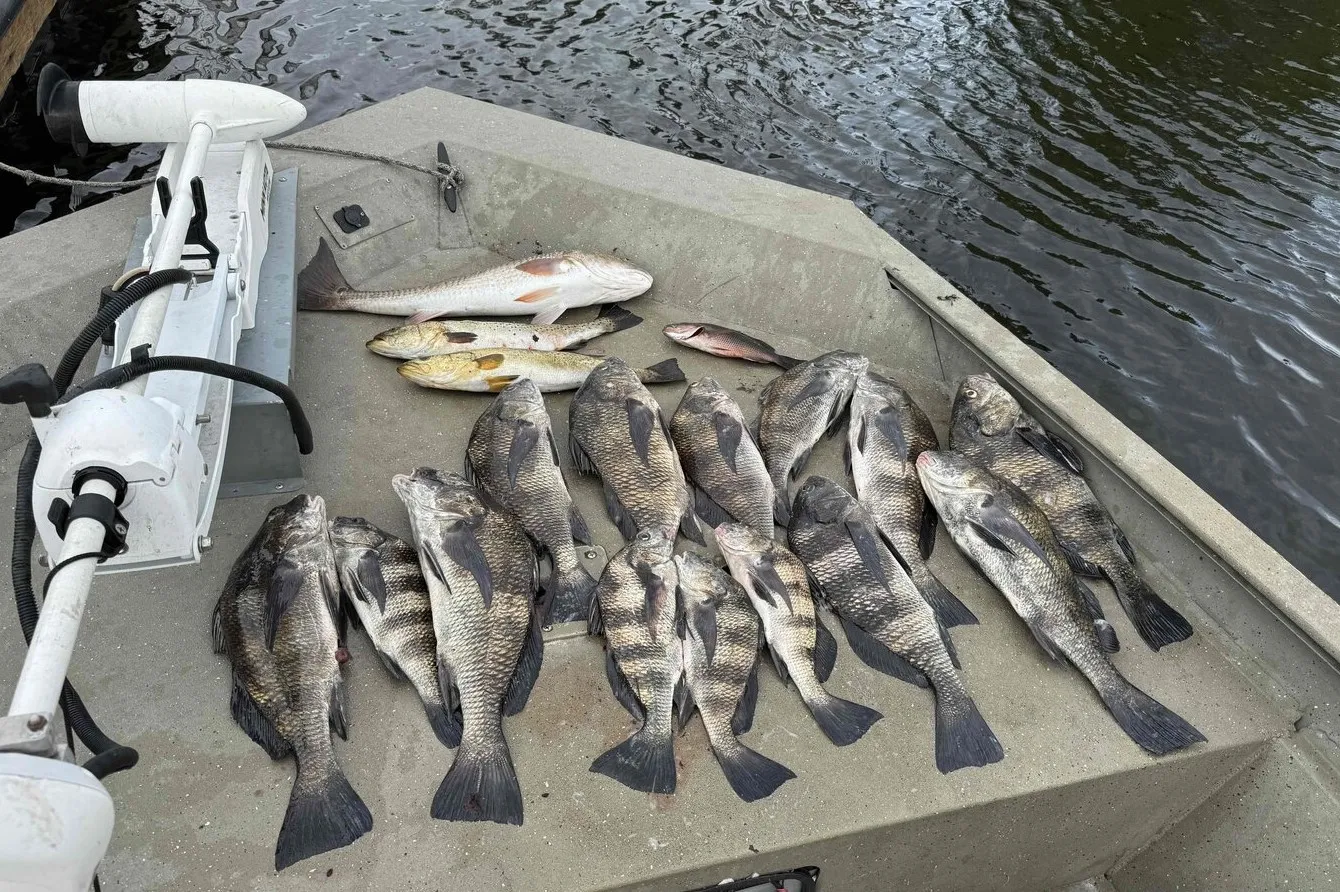
Sheepshead
Sheepshead show a stronger fall-to-spring pattern in FWC's Hernando and Pasco guidance. Their connection with structured coastal habitat, including oyster areas and hard-bottom environments, makes seasonal habitat conditions relevant.
- Best Season: Fall through spring is the period identified for sheepshead in the Hernando and Pasco area.
- Best Month: No single month is identified by FWC as the best. The broader fall-to-spring period provides the relevant seasonal window.
- Best Time of Day: Daylight periods are practical for observing structured shallow and coastal habitat, while conditions on the water can vary throughout the day.
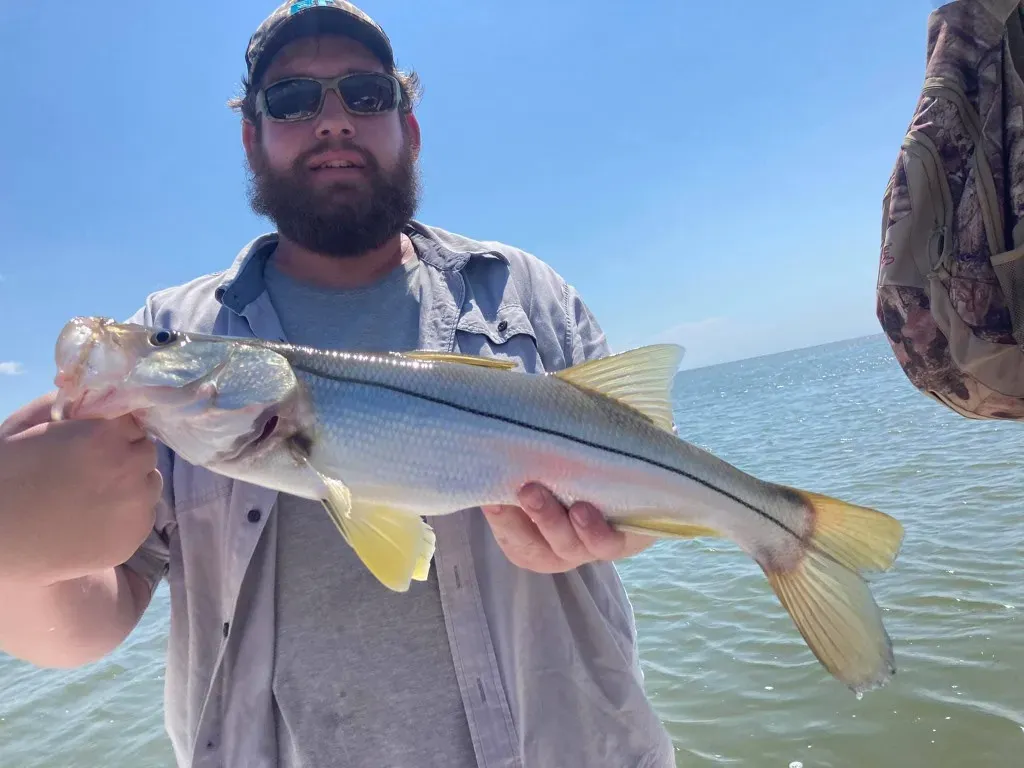
Snook
Snook requires additional attention because seasonal timing is tied not only to environmental conditions but also to FWC management regulations. Hernando County waters fall within the Gulf-side management framework, so current regional rules should be checked before planning harvest.
- Best Season: Environmental conditions can influence snook activity, but harvest timing must follow the applicable FWC management region and current regulations.
- Best Month: A single “best month” should not be presented without considering both current regulations and local environmental conditions.
- Best Time of Day: Daylight fishing periods can provide opportunities, but water temperature, current, weather, and habitat conditions can affect activity.
How Do Tides Affect the Best Time to Fish Hernando County?
Tidal movement changes how water moves across Hernando County's shallow coastal habitats. As water rises and falls, the depth of flats, grass beds, marsh edges, creeks, and channels changes, affecting how these connected areas function.
- Incoming Tide: Rising water can cover previously shallow areas and increase access to grass, marsh edges, and shoreline habitat. This changes the amount of usable water across the coastal landscape.
- Outgoing Tide: Falling water can reduce access to some shallow areas while strengthening connections between flats, creeks, channels, and deeper water.
- Current Strength: The amount of moving water matters alongside the tide stage. Stronger or weaker current can change conditions around structure and connected waterways.
- Shallow Flats: Changes in water depth can alter access to grass beds, sandy areas, and other shallow habitat.
- Creeks and Channels: Tidal movement connects different coastal habitats as water moves between flats, creeks, channels, and estuarine areas.
- Tide and Species: Different fish may respond differently to the same tidal conditions depending on habitat, forage, depth, and surrounding structure.
How Do Water Conditions Change the Best Time to Fish?
Water conditions can determine how useful a seasonal or tidal window actually is. Temperature, clarity, salinity, wind, rainfall, and water level can change the character of shallow coastal habitat and influence how fish use it.
- Water Temperature: Seasonal and daily temperature changes can affect fish activity and how different species use shallow and deeper areas.
- Water Clarity: Visibility affects shallow-water habitat by changing how clearly fish can interact with grass, bottom structure, forage, and surrounding cover.
- Salinity: Changes in salinity can occur when freshwater enters connected coastal areas, creating different conditions within estuaries and nearby habitats.
- Wind: Wind can disturb surface conditions, influence water movement, and reduce clarity in some shallow areas.
- Rainfall: Rainfall adds freshwater to creeks and connected coastal waters, potentially changing salinity and local water conditions.
- Water Level: Changes in water depth affect access to flats, marsh edges, grass beds, creeks, and channels, altering how these habitats connect.
How Can a Fishing Report Help You Choose the Right Day?
A Hernando County fishing report can provide more useful local context than a fixed calendar or general forecast. Recent reports can show how water temperature, clarity, salinity, and water level are affecting current coastal conditions, giving anglers information that a broad seasonal pattern cannot provide.
Recent fish activity can also help identify which species have been observed or caught under current conditions. Information about flats, grass beds, channels, marshes, and other habitat can add context about where fish have recently been found. Tide information is useful as well, particularly when recent activity is considered alongside incoming or outgoing water and changing current strength.
However, fishing reports represent conditions at a particular time. Weather, tides, water levels, and fish activity can change, so a report is best used as current local context rather than a guarantee of what will happen on a future trip.
How Should You Plan a Hernando County Fishing Trip Around the Conditions?
Planning a trip around current conditions starts with understanding what you want to fish for and how the surrounding environment may affect that species. A few simple checks can help create realistic expectations without relying on a fixed fishing calendar.
- Choose the Target Species: Start with the fish you want to pursue, since different species use different habitats and follow different seasonal patterns.
- Check the Season: Review the current seasonal pattern for your target species and confirm applicable fishing regulations before the trip.
- Review Tides: Look at the planned day's tidal movement and consider how rising or falling water may affect connected coastal habitats.
- Check Water Conditions: Consider temperature, clarity, rainfall, wind, and other recent changes that may influence the coastal environment.
- Match Habitat: Consider whether grass flats, marshes, channels, hard bottom, or other habitats are relevant to your target species.
- Stay Flexible: Conditions can change during a trip, so avoid treating one calendar date, tide stage, or time of day as a guarantee.
What Can You Expect From a Private Hernando County Inshore Fishing Trip?What Can You Expect From a Private Hernando County Inshore Fishing Trip?
A private Hernando County inshore fishing trip offers a more focused way to experience the area's coastal waters. Flats, grass beds, marshes, channels, and estuarine connections can all form part of the same trip, with conditions changing across different areas.
The experience is not limited to catching fish. Time on the water provides an opportunity to observe how water depth, clarity, current, vegetation, and nearby structure shape the coastal environment. A private setting also allows the trip to remain centered on the people aboard rather than a larger group.
For Nature Coast inshore fishing, this creates a closer connection with the waterways and habitats that define Hernando County. Reel Shallow Fishn Charters provides private trips in these waters, with rods, reels, tackle, and live bait included for guests spending time on the Nature Coast.
Conclusion
The best time to fish Hernando County depends on how season, tide, time of day, target species, and water conditions come together. No single calendar date or hour can provide the same conditions for every fishing trip, since weather, water temperature, clarity, salinity, and water levels can change throughout the year. Checking recent local conditions and current fishing regulations can help you plan responsibly while protecting the coastal environment. If you are ready to experience these waters firsthand, Reel Shallow Fishn Charters offers private inshore fishing on the Nature Coast. Plan your trip, choose your target, and spend a day on the water experiencing the flats, channels, and coastal habitats that make Hernando County unique.
Frequently Asked Questions
1. What is the best time to fish Hernando County?
The best time to fish Hernando County depends on the target species, season, tides, time of day, weather, water temperature, clarity, and other changing coastal conditions.
2. What season is best for Hernando County inshore fishing?
There is no single best season for Hernando County inshore fishing. Redfish can be targeted year-round, while other species have more defined seasonal patterns.
3. How do tides affect fishing in Hernando County?
Tides change water depth and movement across flats, grass beds, marshes, creeks, and channels. Incoming and outgoing tides can therefore create different habitat conditions for inshore fish.
4. What time of day is best for inshore fishing?
Morning, midday, and later daylight periods can offer different conditions. Temperature, light, wind, water clarity, and tide should be considered rather than relying on one fixed time.
5. When is the best time for redfish fishing in Hernando County?
Redfish are relevant throughout the year in Hernando County. Their habitat use can change with water temperature, depth, forage, tides, and surrounding coastal conditions.
6. When is speckled trout fishing best in Hernando County?
FWC identifies spring and summer, along with January, as important periods for spotted seatrout in Hernando and Pasco counties. Speckled trout fishing Hernando County also depends on local conditions.
7. When is sheepshead fishing best around Hernando County?
Sheepshead have a stronger fall-to-spring seasonal pattern in Hernando and Pasco counties. Their timing is also influenced by access to structured coastal habitats and changing water conditions.
8. How do weather and water conditions affect fishing?
Weather, water temperature, clarity, salinity, rainfall, wind, and water level can change coastal habitat conditions. These factors may influence fish activity and how species use different areas.
9. Can a Hernando County fishing report help plan a trip?
Yes. A Hernando County fishing report can provide recent information about water conditions, fish activity, habitat, and tides, helping provide local context beyond a general fishing calendar.
10. What can you expect from a private Nature Coast fishing trip?
A private Nature Coast inshore fishing trip provides time on the water around flats, grass beds, channels, marshes, and estuarine habitats while experiencing changing coastal conditions with a smaller group.