How Tides Affect Inshore Fishing Around Bayport and Hernando County

Published: November 18, 2026
Bayport's coastal waters offer a mix of shallow flats, channels, marshes, creeks, and Gulf-connected areas where water movement can change fishing conditions throughout the day. Understanding Bayport tides for fishing helps anglers see how rising and falling water influence current, access to shallow habitat, forage movement, and fish positioning. An incoming tide can push water and forage into areas that may be difficult to reach at lower stages, while falling water can concentrate movement around channels, creek mouths, and other drainage points. These changes can affect where anglers find feeding fish and how they approach a location. Tide timing should not be considered on its own. Water clarity, wind, weather, season, water temperature, and recent fishing conditions can all influence fish activity. Reading these factors together provides a more practical way to plan a Bayport fishing trip.
Why Do Tides Matter for Inshore Fishing Around Bayport?
Tides change water depth and create currents across Bayport's flats, creeks, channels, and passes. Rising water can make shallow habitat accessible, while falling water reduces depth and can concentrate water movement through narrower areas. For Bayport inshore fishing, these changes can affect where anglers position the boat and how they approach productive areas.
Tidal movement also influences forage and fish positioning. Baitfish, shrimp, crabs, and other organisms move with changing water conditions, which can cause fish to shift between flats, edges, channels, and deeper areas. Higher water may allow fish to move farther into shallow habitat, while lower water can bring them closer to remaining depth and current. Tides are therefore an important part of understanding daily inshore conditions.
How Does an Incoming Tide Affect Bayport Inshore Fishing?
An incoming tide brings water into Bayport's shallow coastal habitat, changing depth, current, forage movement, and fish positioning. These changes can create different fishing opportunities across flats, creeks, marsh edges, and shorelines as the tide rises.
- Rising Water: Increasing water depth allows fish to move onto shallow flats, grass edges, marshes, and shoreline areas that may be too shallow during lower water.
- Forage Movement: Baitfish, shrimp, crabs, and other forage can move with the incoming current toward shallow habitat, giving predatory fish more feeding opportunities.
- Fish Positioning: Fish may move closer to shore or toward the middle of a flat as water rises. Grass edges, creek mouths, and shallow structure can become relevant areas to work.
- Current Flow: Incoming water creates flow through creeks, channels, passes, and other connected areas, giving anglers places to look for fish responding to moving water.
- Bayport Flats Fishing: Higher water can open more shallow fishing areas, allowing anglers to work flats and nearby habitat as fish move with the rising tide.
What Changes During an Outgoing Tide?
An outgoing tide lowers water levels across Bayport's shallow habitat, changing how fish and forage move through flats, creeks, and channels. As water drains from shallow areas, fish may shift toward deeper water and areas where the remaining flow creates current.
- Water Leaves the Flats: Falling water can push fish and forage off shallow flats toward channels, creek mouths, and deeper connected areas.
- Draining Water Creates Current: Outgoing water can create stronger flow through creek mouths, cuts, channels, and narrow edges, making these areas important places to watch.
- Fish May Concentrate Around Exits: Fish can hold near points where water leaves shallow habitat, particularly where flats connect with deeper channels.
- Forage Moves With the Flow: Baitfish, shrimp, and other forage can be carried out with draining water, giving predatory fish opportunities along the current.
- Shallow-Water Fishing Hernando County: During shallow-water fishing Hernando County, falling tides can help anglers identify deeper areas that remain connected to draining flats. FWC notes that outgoing tides can move fish toward deeper water as they leave flats.
How Do Tides Affect Different Inshore Fish Around Hernando County?
Tides do not affect every species in exactly the same way, but changing water levels and current can influence where fish feed and hold. Watching bait activity, depth changes, habitat, and water movement can help anglers adjust their approach.
Redfish
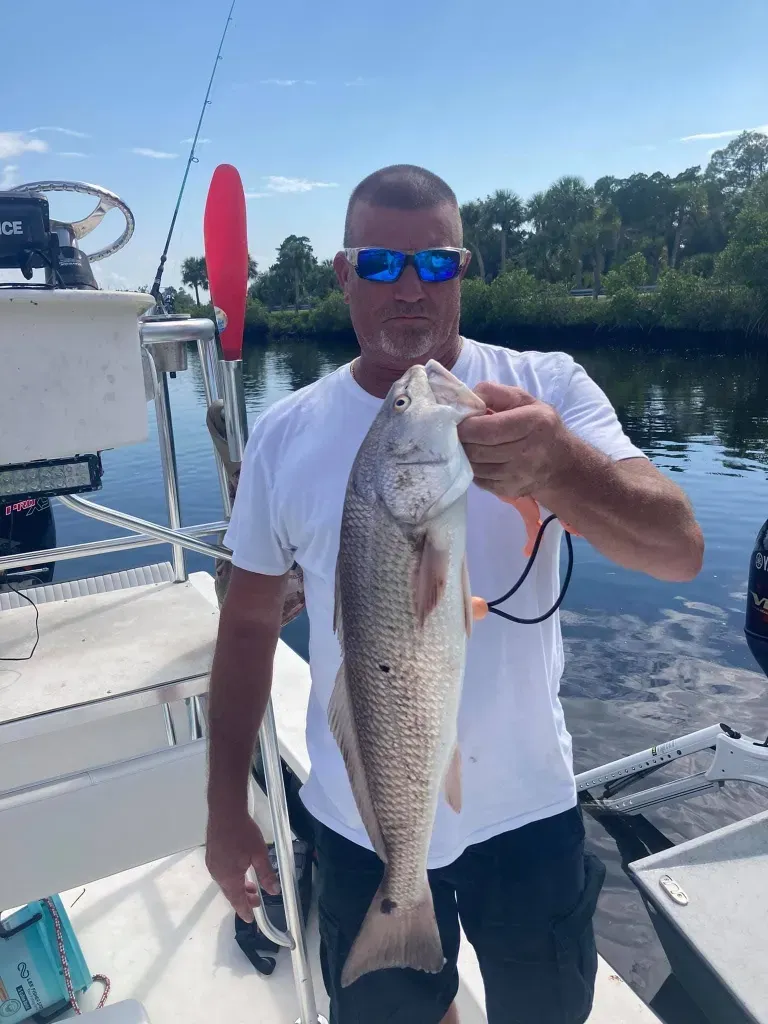
Redfish use a range of shallow coastal habitats, including seagrass, sandy or muddy bottoms, oyster bars, and spring-fed creeks. During incoming water, they may move into shallow feeding areas. As water falls, edges and channels can become more relevant. For redfish fishing Hernando County, watching bait activity, depth changes, and current can help identify where fish may be positioned.
Speckled Trout
Speckled trout can use shallow estuarine habitat, including grass and sandy areas, where water movement and available forage influence their location. Changing tides can affect how they use these areas. For speckled trout fishing Hernando County, pay attention to current, water depth, grass edges, and visible forage rather than relying on one fixed tide pattern.
Other Inshore Species
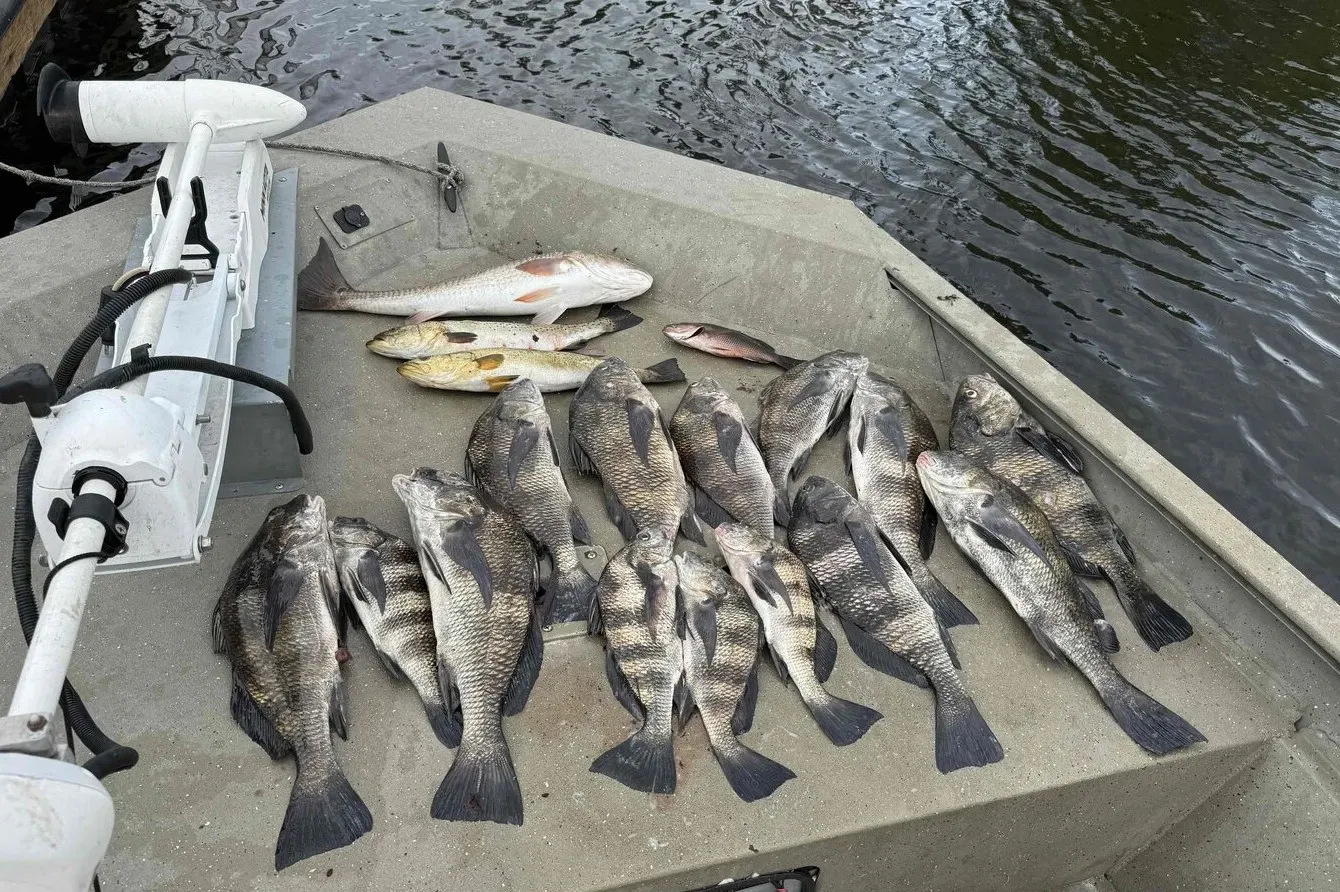
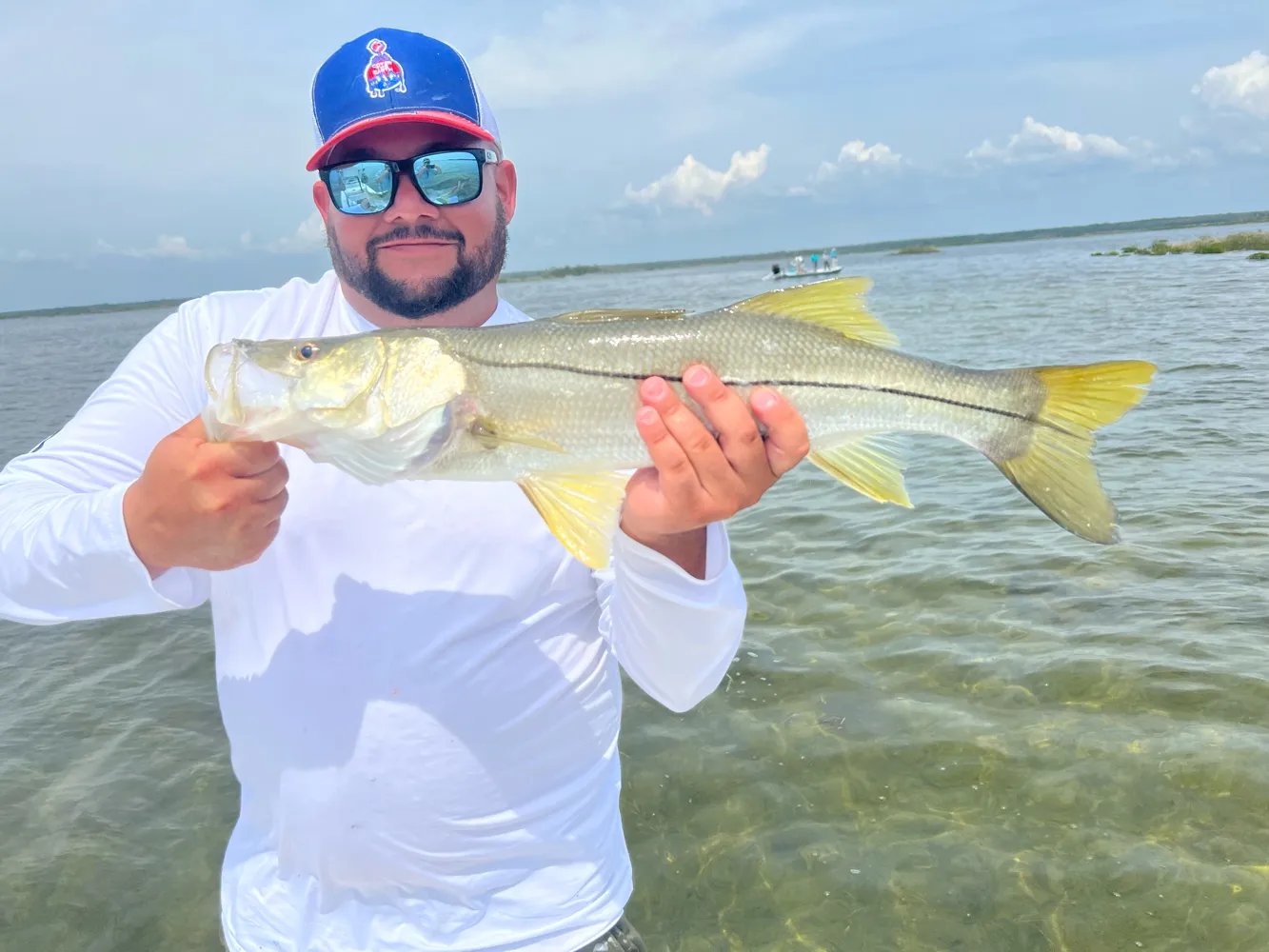
Sheepshead, snook, black drum, and other inshore species also respond to changing water conditions, but their positioning can vary with habitat, season, forage, and local conditions. Instead of assuming a specific tide always produces the same result, anglers can watch how fish, bait, and water movement interact during the trip.
Which Tide Stages Should You Watch When Fishing Bayport Flats?
Different tide stages reveal different fishing opportunities across Bayport's shallow habitat. Instead of treating one stage as universally best, anglers should consider Bayport fishing conditions, including depth, wind, water clarity, season, location, and target species.
- Before High Tide: Watch flats, grass edges, and marsh areas as increasing water begins reaching shallow habitat.
- High Tide: Consider shallow areas that remain inaccessible or difficult to fish during lower water levels.
- Early Falling Tide: Pay attention to flats and marsh edges as water begins draining and fish may respond to the changing flow.
- Mid-Outgoing Tide: Focus on channels, cuts, creek mouths, and deeper transitions where draining water creates defined movement.
- Low Tide: Use reduced water levels and exposed bottom to identify structure, depth changes, channels, and areas that may fish differently on higher water.
How Do Tides Interact With Water Conditions?
Tide timing works alongside other water conditions that can change how fish respond. Water clarity may shift as current moves across shallow flats and channels, while wind can alter surface conditions and water movement. Rainfall can also change local conditions by sending freshwater into creeks and estuaries. Water temperature adds another factor, with seasonal and daily changes influencing fish behavior as tides rise and fall.
Depth also matters because the same tide can create different conditions across areas with different bottom contours. A shallow flat, creek channel, and deeper transition may respond differently to the same tidal stage. Recent information can provide additional context, especially when conditions change quickly. A current Hernando County fishing report may reveal recent water clarity, fish activity, bait presence, and local changes that a tide table alone cannot show.
How Can You Use Bayport Tide Information to Plan a Fishing Trip?
Start by checking the day's high and low tides, then consider the species and habitat you want to target. For Bayport fishing, match the expected tide movement with flats, grass edges, creeks, channels, or shorelines that suit your target species. Note when water will begin moving into or away from these areas so you can plan where to fish during each stage.
Before heading out, also check wind, water clarity, temperature, and recent fishing activity. These factors can change how a predicted tide affects actual conditions. Once on the water, stay flexible and watch depth, current, bait activity, and fish positioning. If conditions differ from expectations, adjust your location, presentation, or technique instead of following the original plan rigidly. This approach makes Hernando County fishing more responsive to what is actually happening on the water.
What Can You Expect From a Private Bayport Inshore Fishing Trip?
A private trip around Bayport gives anglers an opportunity to experience Nature Coast inshore fishing while spending time on shallow flats, channels, creeks, and other coastal habitat. Changing water levels, current, weather, and water conditions can all influence where fishing takes place during the day.
Reel Shallow Fishn Charters offers private inshore fishing trips around Bayport and the Nature Coast, with local familiarity that helps inform decisions as conditions change. Rods, reels, tackle, and live bait are included, making the trip suitable for beginners, families, and experienced anglers. The focus is not only on fishing, but also on experiencing the coastal environment and learning how changing conditions can affect different areas. Actual fish locations can vary with the tide and other factors, so the day's approach remains flexible based on what is happening on the water.
Conclusion
Tides influence water depth, current, forage movement, habitat access, and fish positioning around Bayport and Hernando County. Incoming and outgoing tides can create different opportunities as fish respond to changing water movement and available habitat. However, tide timing should always be considered alongside weather, water clarity, depth, season, wind, and recent fishing conditions. A tide table provides useful timing, but conditions on the water determine how those changes actually affect a fishing area. For anglers who want to experience Bayport's coastal waters while adapting to changing conditions, Reel Shallow Fishn Charters offers private inshore fishing trips. Book your Bayport fishing trip with Reel Shallow Fishn Charters and plan your day on the water around the tides and current conditions.
FAQs
1. How do tides affect inshore fishing around Bayport?
Tides change water depth and current across flats, creeks, channels, and shorelines. These changes can affect forage movement, fish positioning, habitat access, and fishing conditions throughout the day.
2. Is an incoming tide good for Bayport inshore fishing?
An incoming tide can move water and forage onto shallow flats, grass edges, and shoreline habitat. Fish may follow available food into these areas as water levels rise.
3. What happens to fish during an outgoing tide?
As water drains from shallow areas, fish may move toward creek mouths, channels, deeper edges, and other areas where flowing water concentrates forage and provides access to deeper habitat.
4. What tide is best for Bayport flats fishing?
There is no single best tide for every Bayport flat. The useful tide depends on water depth, habitat, target species, current, wind, clarity, and recent fishing conditions.
5. How do tides affect redfish fishing in Hernando County?
Tides can change where redfish position around shallow flats, grass, marsh edges, creeks, and channels. Incoming water may open shallow feeding areas, while falling water can concentrate activity near deeper edges.
6. How do tides affect speckled trout fishing in Hernando County?
Tidal movement changes water depth, current, and forage availability around grass, sand, flats, and channels. Speckled trout may shift locations as these conditions change throughout the tidal cycle.
7. Why do tidal creeks matter for Hernando County inshore fishing?
Tidal creeks connect shallow flats, marshes, channels, and deeper water. Moving water through these connections can transport forage and create changing conditions that affect how fish use nearby habitat.
8. How should anglers use Bayport tide information?
Start by checking high and low tide times, then consider which areas will gain or lose water. Match those changes with your target species, habitat, weather, and fishing conditions.
9. Do weather and wind change how tides affect fishing?
Yes. Wind can influence water movement, surface conditions, and clarity, while rainfall can change freshwater input and local salinity. These factors can make actual conditions differ from tide predictions.
10. What should you check besides tides before a Hernando County fishing trip?
Check water temperature, clarity, wind, rainfall, target species, seasonal conditions, recent fishing reports, and access to your chosen area. These factors provide important context alongside the day's tides.