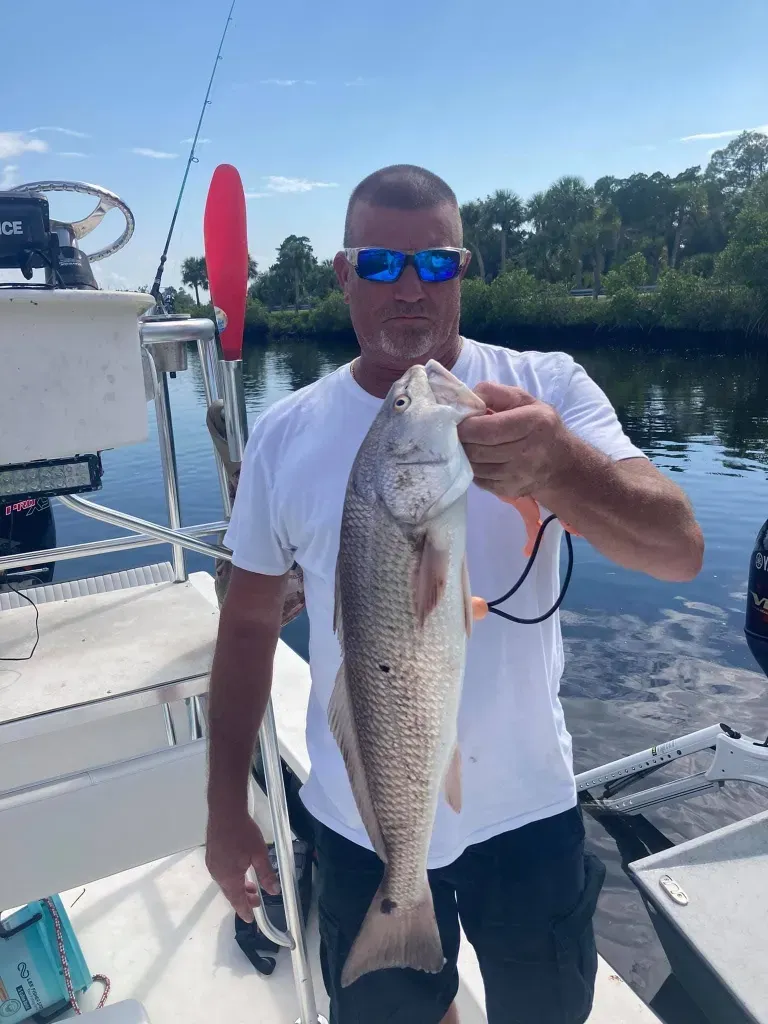
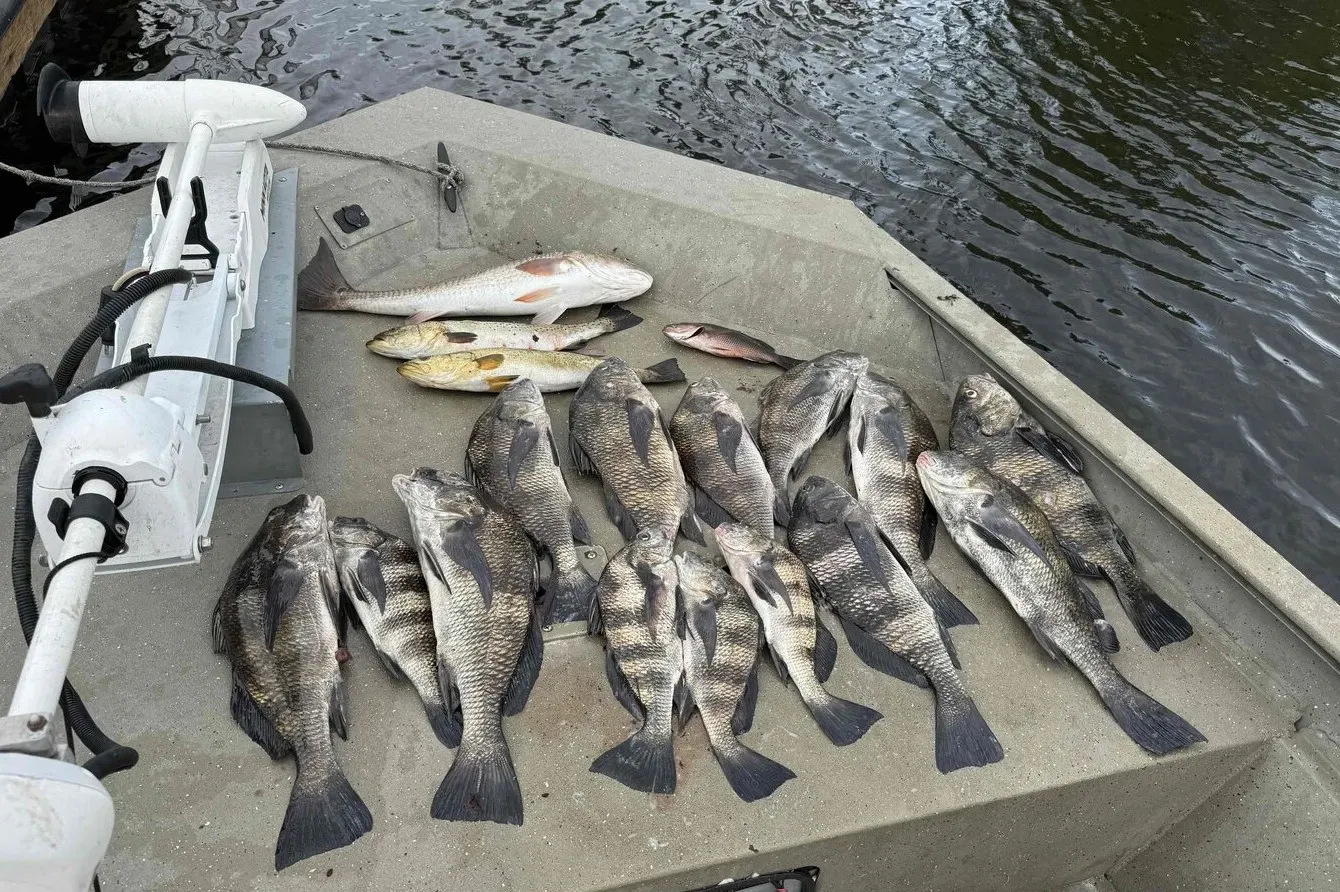
Hernando County Fishing Report: Seasonal Redfish, Snook and Trout Patterns

Published: November 18, 2026
Hernando County offers varied inshore habitat, from shallow flats and tidal estuaries to mangrove shorelines, channels, and rocky or libmperature, clarity, tide movement, forage, weather, wind, and depth, so their locations and feeding patterns can change throughout the year. Seasonal patterns provide useful context for understanding where fish may hold, but daily conditions can shift those patterns quickly. Recent bait activity, water movement, and weather changes can also influence how aggressively fish feed and which areas are worth checking. Comparing current observations with broader seasonal trends gives anglers a more practical way to interpret conditions before and during a Hernando County inshore fishing trip.
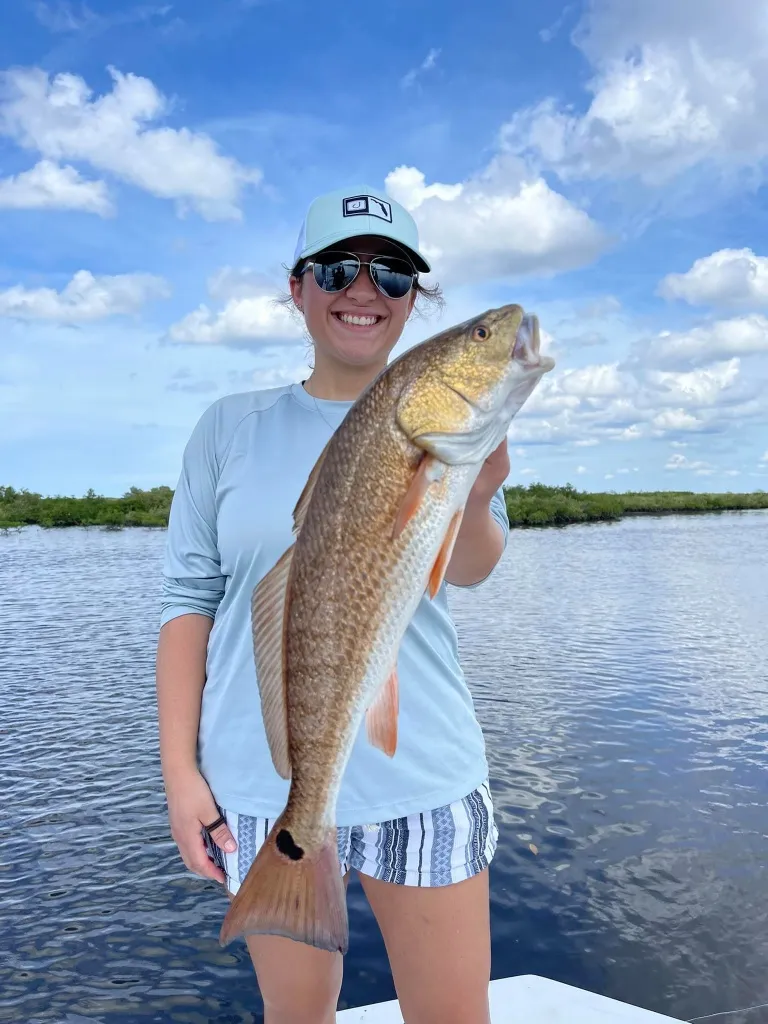
What Does a Hernando County Fishing Report Tell You?
A useful Hernando County fishing report gives anglers current information that can help them understand what is happening on the water. Beyond species caught, it may describe conditions, locations, tides, forage, techniques, recent weather, and changes in fish activity.
- Water Conditions: Check water temperature, clarity, salinity changes, water level, and current strength. Sudden temperature changes, stained water, or increased flow can affect fish positioning and feeding behavior. Wind direction, rainfall, and recent fronts can also provide important context for Bayport fishing conditions.
- Fish Location and Depth: Look for specific habitat such as grass flats, mangrove edges, creek mouths, channels, oyster areas, rocky structure, and deeper water. The reported depth can show where fish were holding under those particular conditions.
- Tides and Timing: A report may indicate the tide stage, time of productive activity, or relationship between feeding activity and moving water. This helps anglers understand when certain areas became active rather than assuming the same pattern lasts throughout the day.
- Bait and Forage: Reports may identify active forage such as greenbacks, pinfish, mullet, shrimp, or crabs. Knowing what bait is present can help anglers choose locations and presentations that match current feeding patterns.
- Baits and Techniques: Note whether recent catches came on live bait, artificial lures, topwater presentations, soft plastics, jigs, or other techniques. Details about retrieve speed, lure size, or presentation can also make a report more actionable.
- Species Activity: A report can show which species are currently being caught, their approximate size or numbers when reported, and whether activity is changing. This helps anglers compare current observations with broader seasonal patterns.
- Recent Weather: Information about recent cold fronts, warming periods, rainfall, cloud cover, and wind changes can explain why fish may have shifted location or activity.
- Changes From Previous Reports: Comparing several reports can reveal whether water temperature, bait activity, fish location, or successful techniques are moving in a particular direction. This trend is often more useful than relying on one day's observation.
Seasonal Redfish Patterns in Hernando County
Redfish can use different areas throughout the year as water temperature, bait movement, tides, and weather change. A seasonal framework helps anglers narrow their search, but current conditions should determine the final location and presentation. These patterns provide useful context for redfish fishing Hernando County while allowing anglers to adjust their approach to what they find on the water.
Spring Redfish
As water temperatures begin to rise, redfish can become more active in shallower areas. Anglers can use warming water and increasing bait activity as starting points when deciding where to begin their search.
- Water Conditions: Focus on warming shallow water as temperatures begin rising.
- Likely Habitat: Check shallow flats, grass areas, and other warming inshore habitat.
- Bait Activity: Watch for increasing baitfish activity, which can indicate areas worth investigating.
- Tide and Weather: Compare warming trends with tide movement and recent weather changes.
- Practical Approach: Start by checking shallow water temperatures and areas where feeding bait is present.
Summer Redfish
Summer heat can change how redfish use shallow habitat throughout the day. Anglers may need to begin in cooler shallow areas and adjust their depth as sunlight and water temperatures increase.
- Water Conditions: Monitor increasing temperatures as shallow flats become warmer through the day.
- Likely Habitat: Check mangrove edges, shaded areas, and structure during suitable tide stages.
- Bait Activity: Look for bait holding around cover, current breaks, and protected areas.
- Tide and Weather: Consider early or cooler periods and adjust based on wind and tide conditions.
- Practical Approach: Start shallow, then move toward deeper channels or drop-offs as sunlight and temperature increase.
Fall Redfish
Fall brings a transition from warmer to cooler water, often changing both bait movement and fish location. Anglers can use these changes to identify areas where forage and moving water come together.
- Water Conditions: Cooling water can change fish location and feeding patterns as seasonal conditions transition.
- Likely Habitat: Check rocky points, islands, tidal creeks, flats, and areas where current can concentrate bait.
- Bait Activity: Watch for stronger bait movement and areas where forage becomes concentrated.
- Tide and Weather: Monitor fronts, wind, and tide movement because changing conditions can affect access and fish positioning.
- Practical Approach: Follow bait activity and adjust location as cooling water changes the areas redfish use.
Winter Redfish
During colder periods, redfish may favor areas that provide more stable water conditions. Anglers can narrow their search by looking for protected habitat and adjusting presentations when fish become less active.
- Water Conditions: Monitor colder water and look for areas offering more stable temperatures.
- Likely Habitat: Backcountry creeks, canals, deeper pockets, and protected areas can become important.
- Bait Activity: Identify available forage rather than assuming fish will remain in one type of habitat.
- Tide and Weather: Stable weather and suitable tides can make conditions easier to assess during colder periods.
- Practical Approach: Slow down presentations and adjust depth when cooler water reduces fish activity.
Seasonal Snook Patterns Around Hernando County
Snook location can change with water temperature, current, bait availability, and structure. Seasonal patterns provide a starting point, but anglers should use current conditions to determine where fish may hold and how they may respond.
Spring and Summer
As water warms, snook generally become more active and can use areas with strong current and access to forage. Barrier islands, passes, mangrove points, and current breaks can concentrate bait and create feeding opportunities. Moving water is particularly useful to monitor because it can position forage around structure. Live whitebait and soft plastics are practical options when matching local forage.
Late Fall and Winter
Cooling water can shift snook toward deeper areas that offer more stable temperatures. River mouths, deeper canals, and spring-influenced waters can become important areas to check. Sudden temperature drops may cause fish to change location quickly, so anglers should monitor water temperature before deciding how deep to fish.
Snook Habitat
Snook often relate closely to structure, depth, and current, so identifying how different habitat types influence fish positioning can make searching more efficient.
- Mangrove Root Systems: Mangrove edges and root systems provide cover where snook can wait for bait while using the surrounding current to support feeding opportunities.
- Deeper Channel Bends: Channel bends can create changes in depth and current, giving snook areas where they can hold while remaining close to moving water.
- Docks: Docks provide shade, vertical structure, and potential ambush points, particularly when bait is present around pilings and nearby current.
- Limestone Edges: Limestone edges can create changes in depth and bottom structure where snook may hold when suitable current and forage are available.
- Tidal Creek Mouths: Creek mouths can concentrate moving water and bait, including areas relevant to snook fishing Weeki Wachee where spring-fed freshwater meets tidal water.
Practical Snook Checklist
Before choosing a location, anglers can compare several current factors to determine whether the available habitat and conditions match expected snook behavior.
- Water Temperature: Check current water temperature and compare it with recent readings to identify warming or cooling trends that may influence fish location.
- Current Speed: Look for current strong enough to move forage while still providing suitable holding areas around points, structure, and channel edges.
- Bait Presence: Check for whitebait and other forage because active bait can indicate areas where snook may be feeding.
- Tide Stage: Consider the incoming or outgoing tide and how its movement affects current around the selected structure.
- Weather Changes: Monitor fronts, pressure changes, wind, and sudden temperature shifts because these factors can alter water conditions and snook positioning.
Seasonal Speckled Trout Patterns in Hernando County
Speckled trout can shift between shallow flats and deeper water as temperature, sunlight, forage, and tidal movement change. Seasonal patterns help anglers select an initial depth, while current conditions should determine the final location and presentation during speckled trout fishing Hernando County.
Spring and Early Warm Season
As water temperatures begin warming, trout can use shallow grass flats where suitable water temperature, clarity, and forage are present. Anglers should focus on areas showing active bait and clean water rather than assuming every flat will hold fish.
- Depth: Approximately 2 to 4 feet can be productive when water temperature and other conditions support shallow-water activity.
- Habitat: Grass flats provide feeding areas where trout can use available structure while remaining close to deeper water.
- Water Clarity: Clean water can help trout locate prey, making clarity an important factor when selecting shallow areas.
- Forage: Look for active glass minnows, shrimp, pinfish, and other available forage when deciding where to begin.
Summer
Hotter surface temperatures can cause trout to shift toward deeper water, particularly when shallow areas become less suitable during warmer periods. Water movement and temperature differences can help identify areas worth checking.
- Depth: Deeper areas and channel bends can hold trout, with approximately 10 to 15 feet worth considering where conditions support that depth.
- Current: Moving water can influence forage distribution and provide feeding opportunities around channels, bends, and depth changes.
- Temperature: Compare shallow and deeper water temperatures because differences can influence where trout position themselves during hotter periods.
- Presentation: Adjust lure depth and retrieve speed to keep the presentation within the zone where trout are actively holding.
Fall and Winter
As water temperatures cool, trout can move back toward shallower habitat when conditions become suitable. These seasonal transitions can create overlap with redfish around flats, creeks, and shallow feeding areas.
- Depth: Gradually test shallower water as temperatures fall, while remaining attentive to current fish activity and water conditions.
- Habitat: Sand potholes, creek edges, grass flats, and areas where trout and redfish overlap can provide useful locations to investigate.
- Tide: Tide stage can determine how much water reaches shallow habitat and when trout can access specific feeding areas.
- Temperature: Monitor cooling trends rather than relying only on the calendar because sudden temperature changes can alter fish positioning.
Trout Conditions Checklist
These factors can help anglers determine whether a reported trout pattern still matches the conditions present during their trip.
- Clarity: Clean water can help visual predators locate prey, while changes in clarity may require adjustments to lure selection and presentation.
- Depth: Adjust fishing depth according to water temperature, sunlight, tide stage, and observed fish activity rather than maintaining one fixed depth.
- Forage: Watch for glass minnows, shrimp, pinfish, and other active forage because their presence can help identify areas worth fishing.
How Do Tides Affect Redfish, Snook and Trout?
Incoming tides can push water onto shallow flats and into mangrove areas, giving redfish, snook, and trout access to baitfish, shrimp, and crabs. Outgoing tides can pull forage from shallow habitat toward creek mouths, channels, edges, and other funnel points where predators may hold. Anglers should focus on how the tide affects the specific habitat being fished.
Moving water can position both forage and predators, but excessively strong current may make some areas difficult to fish. Wind can also influence water levels and clarity, so actual conditions may differ from predicted tide times. Checking Bayport tides for fishing alongside wind direction, water movement, and recent conditions gives anglers a more practical basis for choosing locations and timing.
How Do Weather and Water Conditions Change the Fishing Pattern?
Wind, temperature, and weather fronts can quickly change Bayport fishing conditions by affecting water clarity, bait movement, and fish location. Strong winds may muddy exposed areas and make shallow flats difficult to fish, while gradual seasonal warming or cooling usually produces slower changes. Sudden temperature drops can shift fish toward more stable water. Before a front, changing pressure and wind may alter feeding activity, but the response varies with conditions.
After a cold front, clearer skies, colder water, and reduced activity may require slower, more precise presentations and changes in depth. Water clarity should also guide lure selection. Clear water can favor natural-looking presentations and longer casts, while stained water may make vibration, stronger contrast, or scent more useful. Anglers should adjust location, depth, and presentation as conditions change.
What Bait and Lures Work for Seasonal Inshore Fishing?
Bait selection should reflect the forage currently present rather than following one fixed choice throughout the year. Live shrimp can work around flats, creek edges, and structure, while greenbacks and pinfish can match active baitfish patterns. Cut mullet can be useful when larger predators are feeding on injured or dead forage, particularly around moving water and structure.
Artificial lures allow anglers to adjust presentations according to depth and conditions. Weedless soft-plastic paddletails, jerkbaits, and flukes can imitate common inshore forage, while 1/8 to 1/4 ounce jig heads help control depth and presentation. Topwater lures can be effective during suitable low-light periods when fish are actively feeding near the surface.
How to Adjust Bait and Lure Selection
The most effective adjustment depends on what fish and water conditions are showing during the trip.
- Lure Weight: Use lighter or heavier jig heads according to water depth and current strength.
- Profile: Match the lure size and shape to the forage currently present.
- Retrieval Speed: Slow the retrieve when fish are less active and increase it when feeding activity is stronger.
- Water Clarity: Use natural presentations in clear water and more visible or vibrating options in stained water.
- Troubleshooting: If fish follow without striking, slow the retrieve or change the presentation before immediately changing locations.
How Should You Read a Hernando County Fishing Report Before a Trip?
A Hernando County fishing report becomes more useful when anglers turn its observations into a practical plan before launching. Use this six-step checklist:
- Check the report date: Prioritize the newest information and note how recently the conditions were observed.
- Compare conditions: Match reported water temperature, wind, and clarity with the current forecast.
- Check the tide: Identify when moving water overlaps with your planned fishing period.
- Choose the target species: Decide whether redfish, snook, or trout is the primary target.
- Prepare your tackle: Bring bait, lure sizes, leader, and setups suited to the reported conditions.
- Have a backup plan: Be ready to change depth, location, or presentation if conditions differ on the water.
Planning Your Fishing Trip With Reel Shallow Fishn Charters
Captain Gary Strickland and Reel Shallow Fishn Charters bring local knowledge of Florida's Nature Coast to each private inshore trip. Understanding tides, weather, bait movement, water clarity, and shallow-water structure can help anglers interpret seasonal fishing patterns more effectively and make better decisions once conditions change.
Trips can cover productive inshore areas around Bayport, Hernando Beach, and Weeki Wachee, where changing depths, tidal flow, habitat, and forage influence how redfish, snook, and trout use the water. Rather than relying only on a seasonal pattern, anglers can observe how current conditions affect fish positioning, bait activity, and lure or bait presentation during the trip.
A private charter also provides an opportunity to apply the information found in a Hernando County fishing report directly on the water. Seasonal patterns can guide the starting plan, while real-time conditions help determine where to look, what to use, and when to adjust depth, location, or presentation.
Conclusion
Successful Hernando County inshore fishing depends on combining seasonal patterns with current conditions rather than relying on one factor. Water temperature, tide, bait activity, depth, weather, wind, and clarity can all influence where fish hold and how they feed. Redfish may shift between shallow flats and protected structure, while snook often respond closely to temperature and moving water, and trout can move between shallow and deeper areas as conditions change. A recent Hernando County fishing report becomes more useful when compared with current weather and tide information. To apply these insights on the water, connect with Reel Shallow Fishn Charters and Captain Gary Strickland for a private inshore trip.
FAQs
1. What does a Hernando County fishing report include?
A Hernando County fishing report can include water temperature, clarity, tide movement, wind, bait activity, fish locations, depth, recent weather, effective baits, lures, and techniques.
2. What bait works for redfish in Hernando County?
Live shrimp, greenbacks, pinfish, and cut mullet can be useful for redfish. The best choice depends on the forage currently present, water conditions, depth, and tidal movement.
3. Where do snook move during colder weather?
During colder periods, snook can move toward deeper and more temperature-stable areas such as river mouths, deeper canals, channel areas, and spring-influenced waters.
4. What depth is good for speckled trout in Hernando County?
Speckled trout can use different depths throughout the year. Shallow grass flats around 2 to 4 feet may be productive during suitable conditions, while deeper areas can become more relevant during hotter periods.
5. How do tides affect Hernando County inshore fishing?
Incoming tides can move water and forage onto shallow flats and around mangroves. Outgoing tides can concentrate forage near creek mouths, channels, and other areas where water drains from shallow habitat.
6. What lures work for seasonal inshore fishing?
Weedless paddletails, jerkbaits, flukes, jig heads, and topwater lures can all be useful. Lure selection should reflect forage, water clarity, depth, current, and fish activity.
7. How does water temperature affect redfish, snook, and trout?
Water temperature influences fish activity, habitat selection, and depth. Redfish, snook, and trout can respond differently to warming or cooling conditions, so temperature should be considered alongside tide and forage.
8. How should I read a Hernando County fishing report before a trip?
Check the report date, compare its conditions with the current forecast, review tide timing, choose a target species, prepare suitable tackle, and keep a backup plan for changing conditions.
9. What should I do if fish follow my lure but do not strike?
Slow the retrieve or change the presentation before immediately moving locations. Adjusting lure profile, weight, speed, or depth can sometimes better match the fish's activity and available forage.
10. Can I target redfish, snook, and trout on a private fishing charter?
Yes. Reel Shallow Fishn Charters with Captain Gary Strickland offers private inshore trips where anglers can target redfish, snook, and trout while adjusting the approach to current water and weather conditions.