Hernando County Fishing Calendar: What to Target Throughout the Year

Published: November 18, 2026
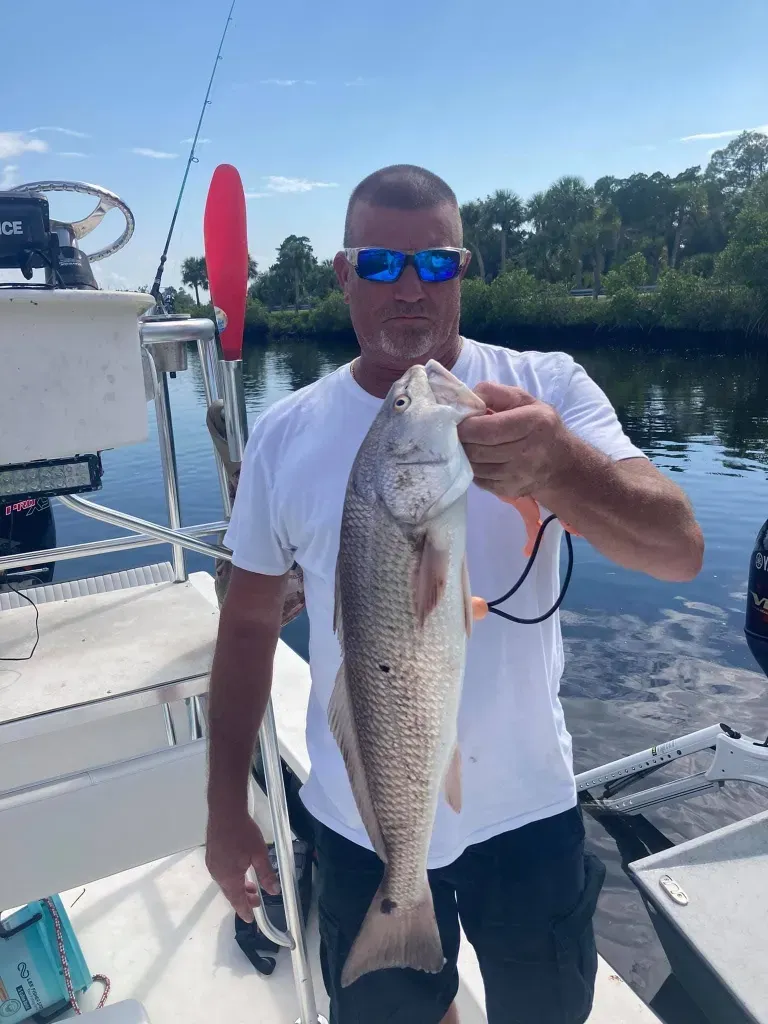
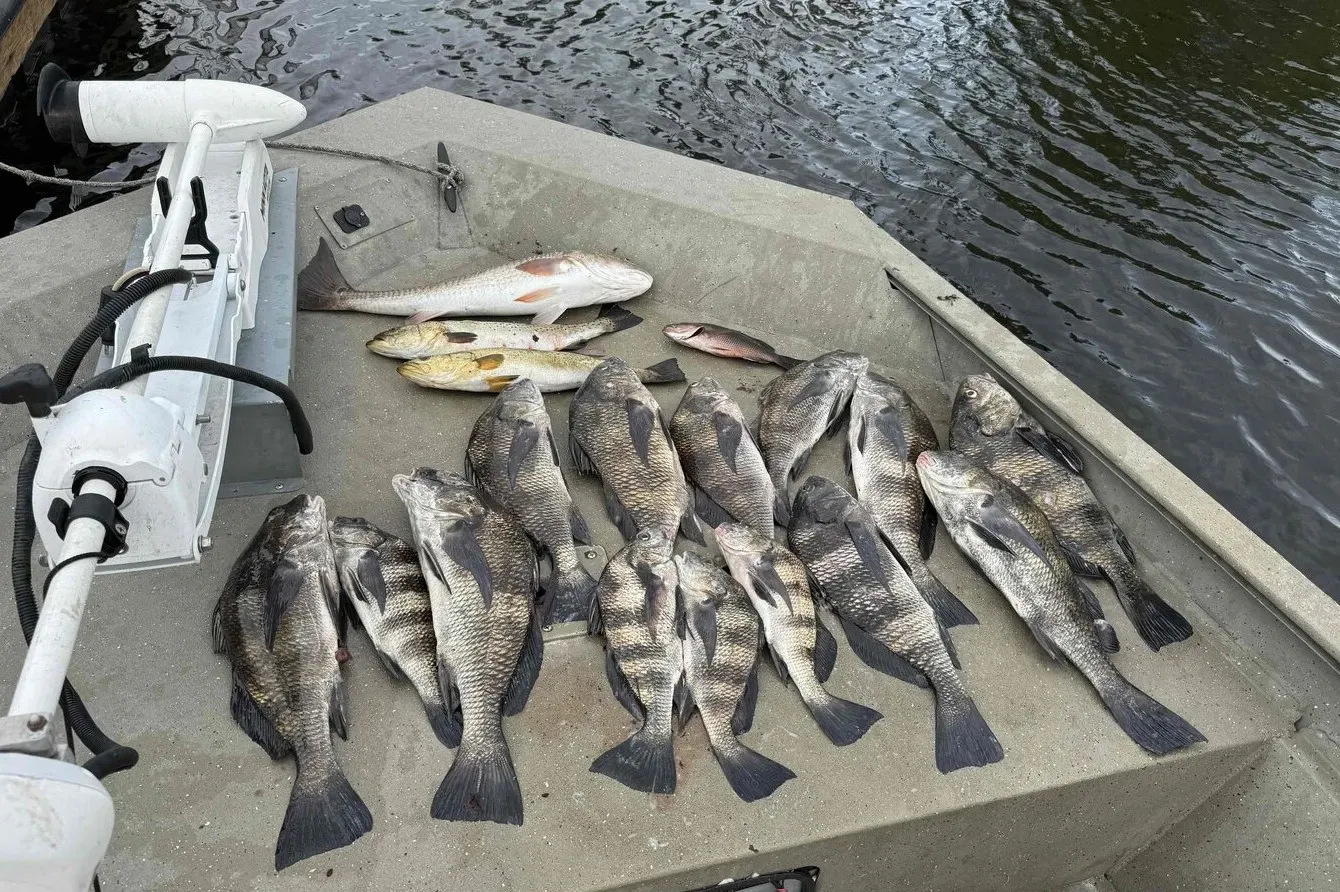
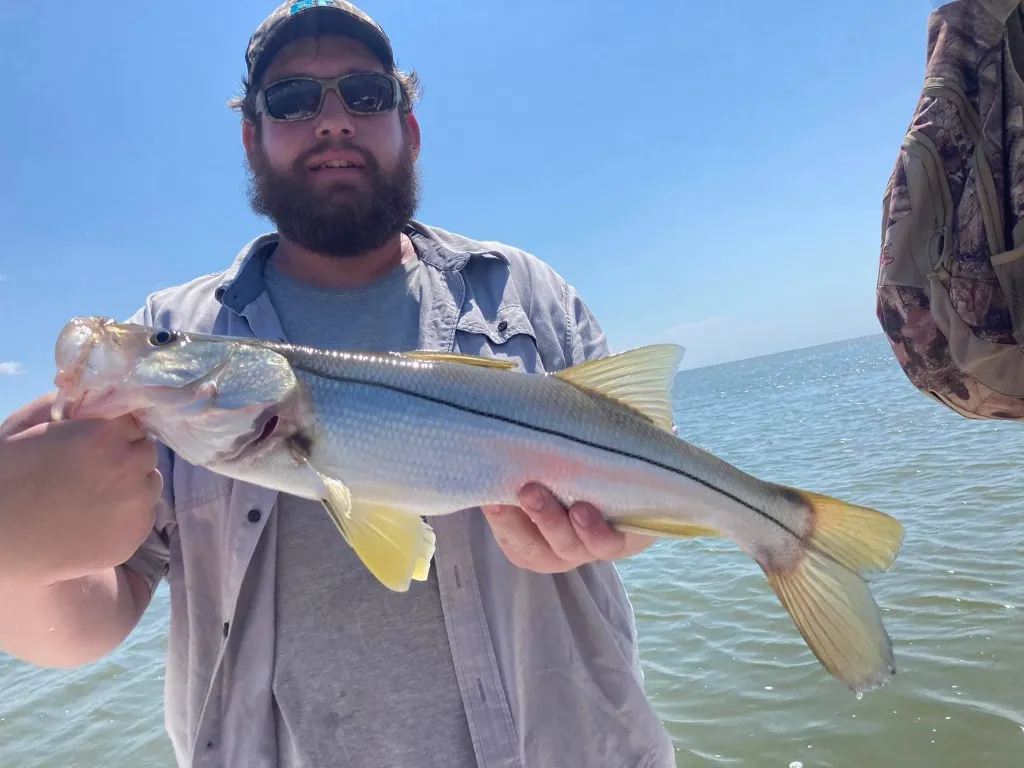
Hernando County's inshore fishing changes throughout the year as water temperature, tides, rainfall, salinity, habitat, forage, and seasonal fish movement shift along the coast. A Hernando County fishing calendar provides a practical framework for understanding these changes and planning around the species and conditions that may be present during different seasons. It should not be treated as a guarantee of specific catches or fixed fishing dates. Shallow flats, estuaries, creeks, marshes, and Gulf-connected waters can all experience different conditions within the same season. Redfish remain an important year-round target, while speckled trout, sheepshead, snook, and other inshore species follow their own seasonal patterns. Understanding when these fish are more likely to use certain habitats can help anglers plan trips with realistic expectations and adjust their approach as conditions change.
How Does a Hernando County Fishing Calendar Work?
A fishing calendar is most useful when it shows how seasonal patterns can influence fish activity and habitat use rather than promising exact results. Conditions can change within a season, so anglers should use the calendar as a planning reference and adjust expectations based on what is happening on the water.
Different species respond to changes in water temperature, forage, habitat, and other environmental conditions. Water clarity, salinity, rainfall, and water levels can also change where fish are likely to use coastal areas. Tidal movement adds another layer by changing access to flats, grass beds, marshes, creeks, and channels as water rises and falls. These seasonal and tidal changes can make shallow flats, hard-bottom areas, grass beds, and estuarine habitat more or less suitable at different times.
Recent local information can add important context to a calendar. A Hernando County fishing report may reflect current water conditions, recent fish activity, and local changes that a seasonal pattern cannot show. Anglers should also check current FWC regulations before keeping any regulated species.
Hernando County Fishing Calendar: What to Target Each Month
A month-by-month calendar can make seasonal patterns easier to understand, but conditions rarely change according to exact dates. Each month brings shifts in water temperature, forage, tides, rainfall, salinity, and habitat use that can influence which species and areas are worth considering. The sections below focus on those changes while keeping the calendar flexible enough to account for local conditions.
1. January
January brings cooler water to Hernando County, which can influence fish movement and habitat use. Redfish and sheepshead remain relevant during the cooler season, while January also provides a seasonal period for spotted seatrout in the Hernando and Pasco area.
- Redfish
- Sheepshead
- Speckled trout
How to Catch Them: Target redfish around shallow coastal habitat and spring-fed creeks, look for sheepshead around oyster areas and hard bottom, and work suitable grass and estuarine areas when targeting speckled trout.
Best Techniques:
- Casting
- Live Bait Fishing
- Bottom Fishing
- Drifting
Calendar Note: January offers several seasonal targets, but water temperature, tides, weather, and recent local conditions should guide the day's plan rather than relying on the calendar alone.
2. February
February remains part of the cooler season, with water temperatures and changing conditions influencing where fish hold. It is also a transition period before spring patterns become more established, so recent conditions can help determine the most productive approach.
Target Species:
- Redfish
- Sheepshead
How to Catch Them: Focus on shallow coastal habitat for redfish and structured areas for sheepshead. Match bait or lures to the target species and adjust depth, retrieve, and presentation according to water movement and conditions.
Best Techniques:
- Casting
- Live Bait Fishing
- Bottom Fishing
- Drifting
Calendar Note: February remains relevant for redfish and sheepshead. Anglers should use current water conditions, tides, weather, and applicable FWC regulations to refine their plans for the day.
3. March
March brings a stronger shift toward spring conditions as water temperatures rise and fish begin using coastal habitat differently. Shallow flats, grass beds, oyster areas, and tidal creeks can become increasingly relevant as seasonal movement develops.
Target Species:
- Redfish
- Speckled trout
- Sheepshead
- Cobia
How to Catch Them: Target redfish around shallow coastal habitat, work grass and sandy areas for speckled trout, and focus on structure for sheepshead. Cobia can become a spring target as water temperatures increase, so watch for suitable seasonal conditions.
Best Techniques:
- Casting
- Live Bait Fishing
- Bottom Fishing
- Sight Fishing
Calendar Note: March marks an important spring transition, with several species becoming relevant as conditions warm. Check current FWC regulations, particularly for spotted seatrout, before planning any harvest.
4. April
April brings more established spring conditions, with warming water and increasing seasonal movement across Hernando County's coastal habitats. Grass flats, tidal creeks, oyster areas, and other shallow-water locations can become increasingly relevant as conditions continue to change.
Target Species:
- Redfish
- Speckled trout
- Sheepshead
- Spanish mackerel
How to Catch Them: Work shallow flats and grass areas for redfish and speckled trout, while targeting oyster bars and other structure for sheepshead. Spanish mackerel can become a spring target as seasonal movement increases. Check current FWC regulations for regulated species before planning harvest.
Best Techniques:
- Casting
- Live Bait Fishing
- Bottom Fishing
- Trolling
Calendar Note: April is a strong spring transition month, with several species becoming relevant. Current water conditions, tides, and regulations should determine which targets and techniques make the most sense for a particular trip.
5. May
May brings warmer water and more established spring conditions across Hernando County. Fish can become more active across shallow flats, grass, oyster areas, and other coastal habitat, while seasonal species movement creates additional opportunities as summer approaches.
Target Species:
- Redfish
- Speckled trout
- Cobia
- Spanish mackerel
How to Catch Them: Work shallow flats and grass areas for redfish and speckled trout, while looking for cobia around suitable structure and deeper coastal water. Spanish mackerel can be targeted around moving water and areas holding bait. Check current FWC regulations before keeping regulated species.
Best Techniques:
- Casting
- Live Bait Fishing
- Trolling
- Sight Fishing
- Drifting
Calendar Note: May marks the shift toward warmer summer conditions, with redfish remaining a year-round target and cobia becoming a seasonal opportunity. Spotted seatrout regulations should be checked carefully because FWC's 2026 regional rules took effect April 1.
6. June
June brings warmer summer conditions to Hernando County, with rising water temperatures and increased seasonal activity across coastal habitats. Cobia remains a spring-summer opportunity in the Hernando and Pasco area, while redfish continue to provide a year-round target.
Target Species:
- Redfish
- Speckled trout
- Cobia
How to Catch Them: Work shallow grass and coastal areas for redfish and speckled trout, while looking for cobia around suitable structure and deeper water. Adjust bait, lure selection, and presentation according to water movement and current conditions.
Best Techniques:
- Casting
- Live Bait Fishing
- Sight Fishing
- Trolling
- Drifting
Calendar Note: June marks the start of summer conditions and can offer several inshore targets. Check current FWC regulations before keeping regulated species, especially spotted seatrout, whose 2026 rules vary by management region.
7. July
July brings hot summer conditions, with warm water, rainfall, and changing salinity influencing coastal habitat. Early and later parts of the day can offer different conditions, while shallow flats, grass beds, and Gulf-connected waters remain important areas to consider.
Target Species:
- Redfish
- Speckled trout
- Cobia
- Spanish mackerel
How to Catch Them: Work shallow flats and grass edges for redfish and speckled trout, while looking around deeper water and suitable structure for cobia. Spanish mackerel can be targeted around moving water and areas where bait is present. Adjust presentations to current conditions.
Best Techniques:
- Casting
- Live Bait Fishing
- Trolling
- Drifting
- Sight Fishing
Calendar Note: July is a warm-water month with several seasonal opportunities, but rainfall, water temperature, salinity, tides, and weather can quickly change conditions. Check current FWC regulations before keeping regulated species.
8. August
August continues the hot summer pattern, with warm water, rainfall, and changing salinity influencing Hernando County's coastal waters. Fish may shift between shallow flats, grass beds, channels, and deeper areas as weather and water conditions change.
Target Species:
- Redfish
- Speckled trout
- Cobia
How to Catch Them: Work shallow grass and coastal areas for redfish and speckled trout, while looking around deeper water and suitable structure for cobia. Adjust depth, bait, and presentation according to tides, water clarity, temperature, and current conditions.
Best Techniques:
- Casting
- Live Bait Fishing
- Trolling
- Sight Fishing
- Drifting
Calendar Note: August remains a warm-water period for redfish, speckled trout, and cobia. Check current FWC regulations before keeping regulated species, and verify any seasonal closures that may affect your plans.
9. September
September begins the transition toward fall, although Hernando County can still experience warm water and summer-like conditions. Changing rainfall, salinity, water temperature, and forage can influence how fish use flats, grass beds, channels, and other coastal habitat.
Target Species:
- Redfish
- Speckled trout
- Cobia
How to Catch Them: Work shallow flats and grass areas for redfish and speckled trout, while looking around deeper water and suitable structure for cobia. Adjust presentations according to water movement, clarity, temperature, and the day's conditions. FWC lists redfish as year-round and cobia as a spring-summer species for Hernando and Pasco counties.
Best Techniques:
- Casting
- Live Bait Fishing
- Drifting
- Sight Fishing
Calendar Note: September is a transition month, with redfish remaining a year-round option while summer patterns begin giving way to fall conditions. Check current FWC regulations before keeping regulated species, particularly spotted seatrout.
10. October
October brings a clearer shift toward fall conditions, with cooling water temperatures beginning to influence fish movement and habitat use. Seasonal changes in forage, tides, and water levels can make shallow flats, oyster areas, and deeper channels useful in different situations.
Target Species:
- Redfish
- Sheepshead
- Speckled trout
- Spanish mackerel
How to Catch Them: Work shallow coastal areas for redfish and suitable grass habitat for speckled trout. Focus on oyster areas and hard bottom for sheepshead, while Spanish mackerel may be found around moving water and bait-rich areas when conditions support their presence.
Best Techniques:
- Casting
- Live Bait Fishing
- Bottom Fishing
- Trolling
- Drifting
Calendar Note: October is a useful transition point for adjusting from summer patterns toward cooler-season fishing. Pay attention to falling water temperatures and changing fish locations as the month progresses.
11. November
November brings more consistent fall conditions, with cooler water beginning to influence fish movement across Hernando County. Changes in temperature, forage, and water levels can make shallow structure, oyster areas, grass flats, and nearby deeper water relevant.
Target Species:
- Redfish
- Sheepshead
- Speckled trout
How to Catch Them: Target redfish around shallow coastal habitat and grass areas, while focusing on oyster bars, hard bottom, and other structure for sheepshead. Speckled trout can be targeted around suitable grass and estuarine habitat when current conditions support their activity.
Best Techniques:
- Casting
- Live Bait Fishing
- Bottom Fishing
- Drifting
Calendar Note: November starts the stronger fall-to-spring period for sheepshead while redfish remain a year-round target. Changing water temperatures can also shift where fish hold, so adjust locations as conditions develop.
12. December
December brings cooler winter conditions, with falling water temperatures influencing fish movement and habitat use. Shallow coastal areas, oyster structure, hard bottom, and spring-fed creeks can offer different opportunities as fish respond to changing water conditions.
Target Species:
- Redfish
- Sheepshead
How to Catch Them: Focus on shallow coastal habitat and spring-fed creeks when targeting redfish, while looking around oyster areas, hard bottom, and other structure for sheepshead. Adjust depth and presentation according to water temperature, tides, and current conditions.
Best Techniques:
- Casting
- Live Bait Fishing
- Bottom Fishing
- Drifting
Calendar Note: December brings the fishing year back into cooler seasonal conditions, making it useful to reassess water temperature and fish location rather than simply repeating summer strategies.
What Conditions Should You Check Alongside the Fishing Calendar?
A fishing calendar provides a useful seasonal reference, but conditions on a particular day can change how fish use coastal habitat. Checking several environmental factors alongside the calendar can help anglers make better decisions about where and when to fish.
- Water Temperature: Seasonal and daily temperature changes can influence fish activity, movement, and use of shallow or deeper habitat.
- Tides: Rising and falling water changes access to flats, creeks, marshes, grass beds, and channels, affecting how fish move through connected areas.
- Water Clarity: Visibility can influence how fish interact with shallow habitat, structure, and available forage.
- Rainfall and Salinity: Freshwater entering coastal areas can change salinity and create different estuarine conditions.
- Wind: Wind can affect surface conditions, water clarity, current, and access to certain fishing areas.
- Recent Fishing Reports: A current Hernando County fishing report can provide recent information about water conditions and fish activity that a fixed annual calendar cannot capture.
How Can You Plan a Hernando County Fishing Trip Using the Calendar?
Start with the month to understand the broad seasonal pattern, then choose the species you want to target during that period. Review recent weather, water temperature, clarity, rainfall, and fishing reports before the trip. Checking the tides for your planned date can also help you understand how rising or falling water may affect flats, creeks, marshes, and channels.
Before keeping any fish, confirm the current FWC regulations for the species you plan to harvest. Regulations can include different seasons, size limits, bag limits, and regional requirements, so the calendar should never replace the official rules. FWC currently maintains species-specific recreational regulations and management information for Florida saltwater fishing.
A flexible approach leaves room to adjust when conditions differ from the expected seasonal pattern. For anglers interested in Nature Coast inshore fishing, Reel Shallow Fishn Charters offers private trips where the day's plan can respond to the conditions encountered on the water, rather than following a fixed calendar alone.
Conclusion
Every month brings different environmental conditions to Hernando County, creating changing opportunities for inshore anglers. Redfish remain relevant throughout the year, while speckled trout have more specific seasonal relevance and sheepshead become more prominent during their fall-to-spring period. Water temperature, tides, rainfall, salinity, water clarity, and weather can also change conditions within any given month. A fishing calendar is most useful when combined with recent local information and current fishing regulations. If you are ready to experience these seasonal patterns on the water, Reel Shallow Fishn Charters offers private inshore trips along the Nature Coast. Plan your next trip around the season, choose your target, and enjoy a focused day exploring Hernando County's coastal waters.
Frequently Asked Questions
1. What is the best month for fishing in Hernando County?
There is no single best month for all species. The most suitable period depends on your target, water conditions, tides, weather, and seasonal fish movement across Hernando County.
2. What fish can you target in January in Hernando County?
January can offer redfish, sheepshead, and spotted seatrout opportunities. Current water conditions and applicable FWC regulations should be checked before planning a trip or keeping regulated species.
3. When is redfish fishing best in Hernando County?
Redfish remain a year-round target in Hernando County. Seasonal water temperature, tides, forage, habitat, and weather can influence where they hold and how anglers approach them.
4. When is speckled trout fishing best in Hernando County?
Spring and summer are important seasonal periods for spotted seatrout, with January also identified by FWC for Hernando and Pasco counties. Current regulations and local conditions should guide trip planning.
5. When are sheepshead most relevant in Hernando County?
Sheepshead have a stronger fall-to-spring pattern in Hernando County. Oyster areas, hard bottom, and other structured coastal habitat can become relevant as cooler seasonal conditions develop.
6. Does fishing change each month in Hernando County?
Yes. Water temperature, rainfall, salinity, forage, tides, and weather change throughout the year, influencing fish movement and how species use flats, grass beds, creeks, marshes, and channels.
7. How do tides affect the Hernando County fishing calendar?
Tides change water depth and movement across coastal habitats. Incoming and outgoing water can alter access to flats, grass beds, creeks, marshes, and channels where different species may hold.
8. Why should you check a Hernando County fishing report?
A Hernando County fishing report provides recent information about water conditions, fish activity, tides, and local patterns that a fixed annual calendar cannot reflect.
9. How do weather and water conditions affect seasonal fishing?
Temperature, clarity, salinity, rainfall, wind, and water levels can change fish activity and habitat use. These factors can make conditions different from the typical seasonal pattern.
10. Can you fish Hernando County throughout the year?
Yes. Hernando County fishing offers year-round opportunities, although target species, habitat, techniques, and regulations can change with the season and current environmental conditions.