Snook Caught in Spring Hill FL Waters
Snook Fishing in Spring Hill - What to Expect

Fishing Charter by Captain Gary Strickland in October
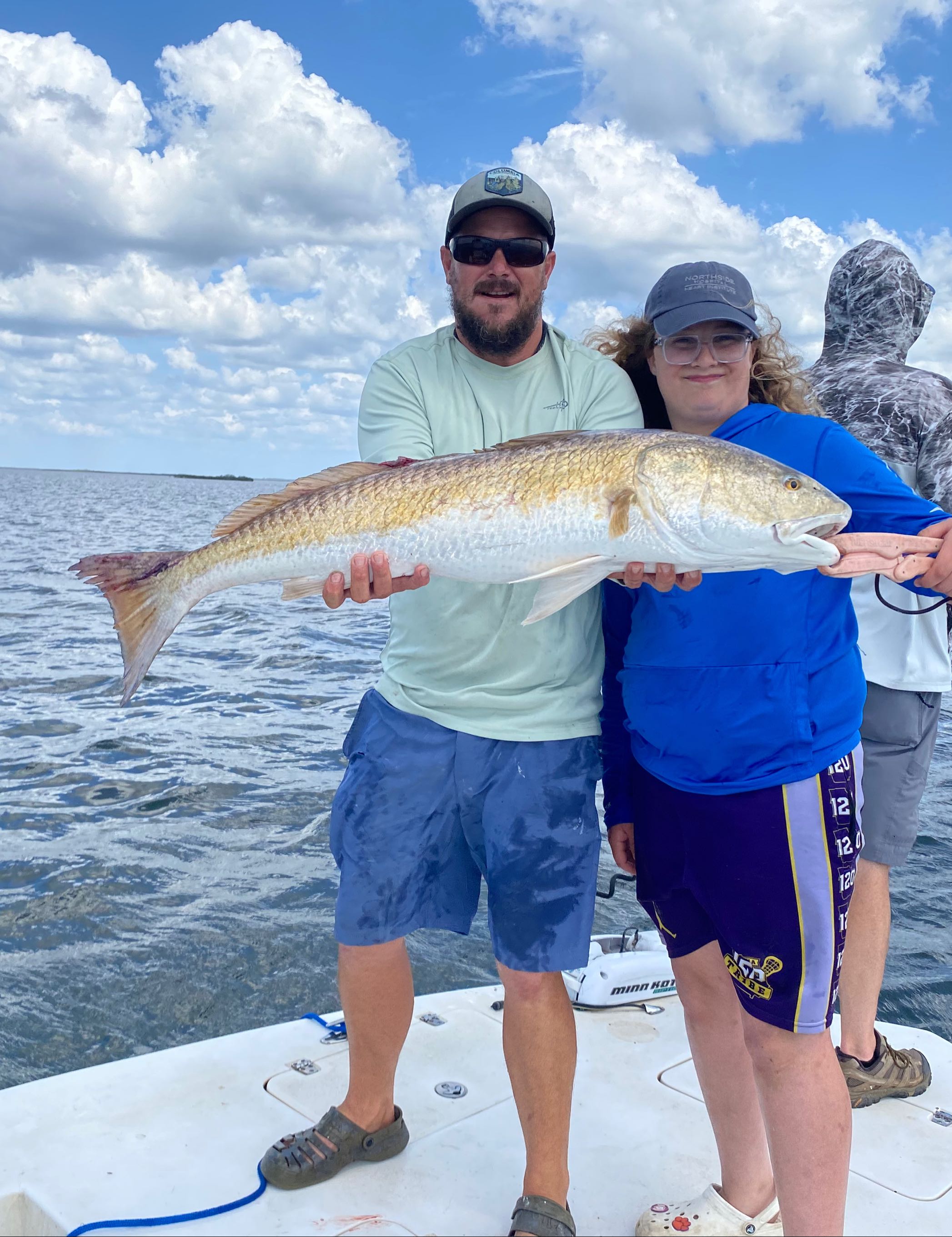
- Hernando Adventure: Captain Gary Awaits! Book Now!


Summary
Join a fishing charter in Spring Hill, FL on a Wednesday in October for an unforgettable snook encounter. Captain Gary Strickland of Reel Shallow Fishn Charters specializes in targeting these hard-fighting fish in shallow waters, combining local expertise with proven techniques that deliver consistent results.
Fishing Charter with Gary Strickland - Rates & Booking
Captain Gary Strickland of Reel Shallow Fishn Charters on Wednesday, October 7th brings decades of shallow water expertise to every fishing trip in Spring Hill waters. As a licensed and experienced guide, Captain Gary has refined his approach to targeting snook in the unique coastal environment of Hernando County, where tidal flats, mangrove channels, and deeper holes create prime habitat for these predatory fish.
To reserve your snook fishing charter or discuss customized trip options, contact Reel Shallow Fishn Charters directly for current rates and availability. Captain Gary can accommodate groups and tailor each expedition to match your skill level and fishing objectives.
Highlights of Snook Fishing in Spring Hill Waters
Snook are among the most sought-after inshore gamefish along Florida's Gulf Coast, and Spring Hill's shallow waters present ideal conditions for sight-fishing and active pursuit. These fish are explosive on the strike and known for powerful runs, making them a thrilling target for both experienced and developing anglers. The crystal-clear shallows of Hernando County allow you to spot fish before casting, turning each interaction into a strategic engagement.
Captain Gary's intimate knowledge of local tidal patterns, seasonal movements, and productive structure means your time on the water is spent where snook are most likely to feed. The combination of challenging casting opportunities, responsive strikes, and reliable catches makes Spring Hill a premier destination for snook enthusiasts.
Local Species Insights: Snook
Snook are iconic inshore predators built for shallow water ambush hunting. These fish possess a distinctive black lateral line running from gill to tail, powerful jaws, and streamlined bodies designed for explosive acceleration. In Spring Hill's shallow ecosystem, snook typically patrol mangrove edges, grass flats, and channel margins where they intercept smaller fish and crustaceans.
Understanding snook behavior is essential to consistent success. These fish are light-sensitive and often stage in deeper holes during bright midday conditions, moving into ultra-shallow water during dawn, dusk, and overcast periods. Captain Gary leverages these patterns to position anglers for optimal opportunities. Snook respond aggressively to live bait presentations and carefully placed artificial lures that mimic natural prey.
The shallow environment around Spring Hill creates a unique dynamic. Water clarity allows snook to inspect offerings carefully, making presentation and approach critical factors. Captain Gary's technique focuses on quiet positioning, accurate casting, and reading subtle fish behavior cues. When a snook commits to the strike, expect a powerful run followed by head-shaking resistance as these fish utilize their mouth structure to shake hooks free.
Temperature and tide cycles significantly influence snook activity in this region. Cooler months see fish pushing into deeper channels and basin areas, while warmer seasons see them distributed across wider flats and mangrove systems. Captain Gary monitors these seasonal shifts to keep you fishing the most productive zones regardless of when you schedule your charter.
Plan Your Snook Fishing Day
Most fishing charters in Spring Hill operate on half-day and full-day schedules, with early morning departures offering the most consistent fishing windows. Expect to focus on sight-casting, which requires active participation and engagement throughout the day. Bring polarized sunglasses to cut water glare and spot feeding fish. Captain Gary handles navigation, locating fish, and providing real-time instruction on casting angles and lure selection.
Weather and tidal movement shape daily conditions and fishing zones. Spring Hill's location in Hernando County provides access to diverse water types, from protected backcountry shallows to deeper gulf-adjacent channels. This diversity means Captain Gary can adjust your route based on real-time conditions to maximize your chances of connecting with aggressive, feeding snook.
Fishing in Hernando County: Snook
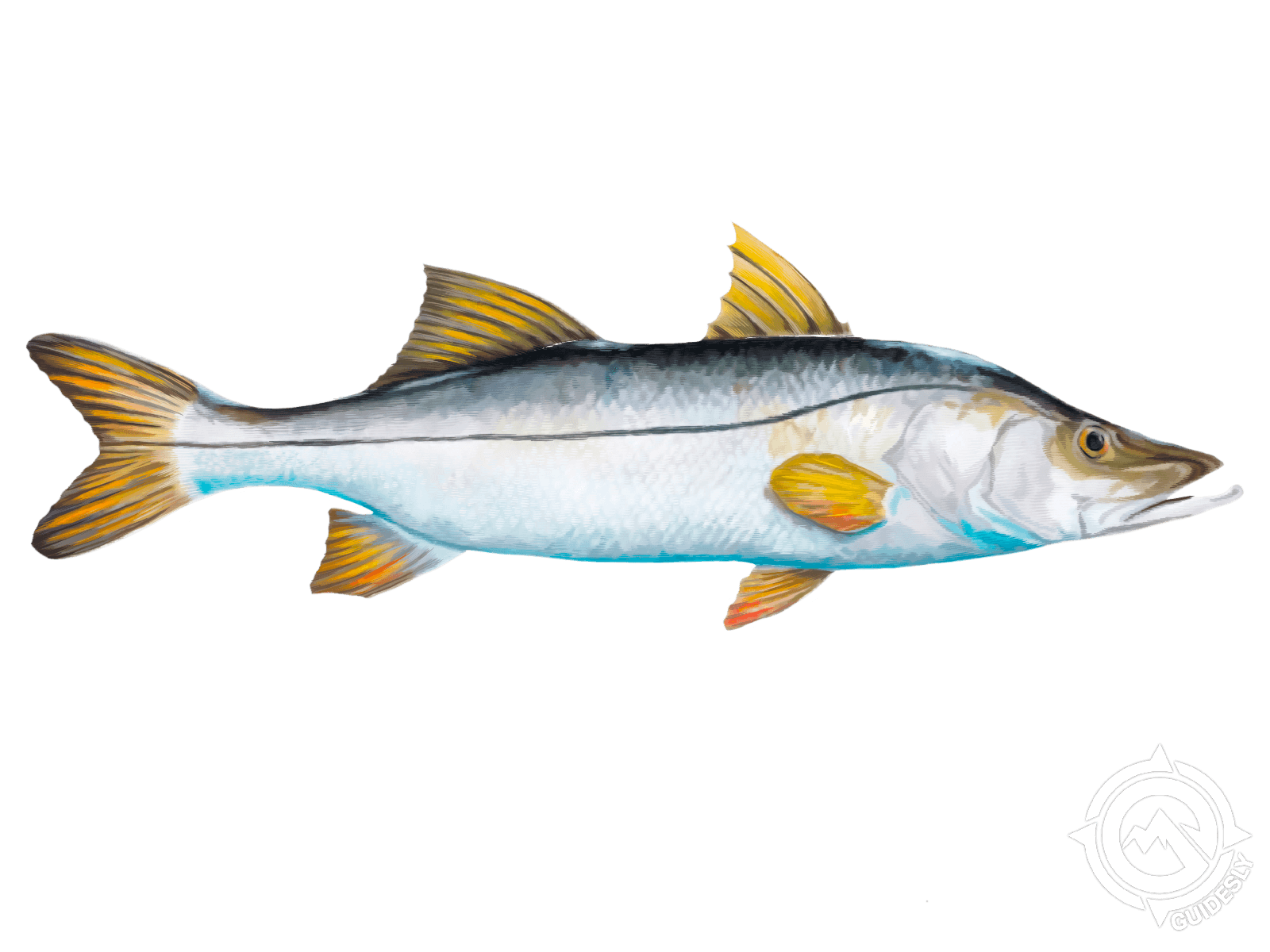
The Common Snook (Centropomus undecimalis) is a remarkable fish species belonging to the Centropomidae family within the order Perciformes. These sleek predators are instantly recognizable by their pronounced dark lateral line that runs from gill to tail, along with their distinctive sloped forehead and protruding lower jaw. What makes these fish truly fascinating is their ability to change from male to female after maturation - meaning most of the trophy-sized specimens you'll encounter are actually females! Their golden-yellow coloration and pale fins make them one of the most beautiful inshore game fish you'll ever target.
Snook Overview
These estuarine-dependent fish are considered one of the premier inshore game species, offering anglers an incredible combination of fighting power and acrobatic displays. They're masters of ambush predation, using their wide tails to generate explosive bursts of speed that can catch even experienced anglers off guard. What sets them apart from other inshore species is their remarkable adaptability - they can thrive in everything from fresh water creeks to saltwater flats, thanks to their sophisticated osmoregulation abilities that allow them to handle dramatic changes in salinity.
Snook Habitat and Distribution
You'll find these incredible fish throughout the warm waters of the western Atlantic Ocean, from North Carolina all the way south to Brazil, including the entire Gulf of Mexico and Caribbean. They're highly temperature-sensitive creatures that depend on estuaries, mangroves, and shallow coastal waters for their entire life cycle. Adult fish typically inhabit lagoons and coastal areas up to 60 feet deep, but they regularly venture into brackish creeks and inlets. The juvenile fish rely heavily on mangrove systems and shallow grass flats for protection from predators, making these areas crucial nursery habitats that support the entire population.
Snook Size and Weight
Most anglers encounter fish ranging from 16 to 30 inches, though these powerful predators can reach impressive sizes up to 50 inches in length. Typical fish weigh between 12 and 29 pounds, but don't let that fool you into thinking they're easy targets. The current world record, caught in Costa Rica, weighed an astounding 59 pounds 8 ounces and measured 47.6 inches long. Interestingly, fish in Central American waters tend to grow significantly larger than their northern Atlantic coast cousins, likely due to longer growing seasons and more abundant forage.
Snook Diet and Behavior
These opportunistic carnivores feed on a diverse menu that includes fish, crabs, shrimp, and other crustaceans found in both fresh and saltwater environments. They're classic ambush predators that rely on cover and structure, positioning themselves near mangrove roots, docks, and grass edges to strike unsuspecting prey. Their feeding behavior changes throughout the day, with peak activity often occurring during dawn and dusk periods. They're also known for their explosive surface strikes, making them incredibly exciting targets for topwater enthusiasts.
Snook Spawning and Seasonal Activity
The spawning season runs from May through September, coinciding with new and full moon cycles when these fish gather in high-current areas near inlets and passes. During this period, their fins turn a brilliant bright yellow, making them even more spectacular to observe. Males actively bump females to trigger egg release, and the fertilized eggs are carried seaward by strong currents. After hatching, juvenile fish make their way back to inshore nursery areas where they can find protection and abundant food sources.
Snook Techniques for Observation and Capture
Targeting these fish is remarkably similar to largemouth bass fishing, with many successful lures crossing over between the two species. Soft plastic swimbaits, jerkbait-style minnows, and jigging shrimp imitations are incredibly effective, especially when worked around structure. Topwater plugs and crankbaits can produce explosive strikes during low-light periods. For fly fishing enthusiasts, patterns like the Imitator or Dahlberg Diver work exceptionally well when sight-fishing the flats. Around major coastal cities, focus your efforts on residential canals, mangrove shorelines, and bridge structures where these cover-oriented fish feel secure.
Snook Culinary and Utilization Notes
These fish offer excellent table fare with firm, white meat that has a mild, sweet flavor profile. The meat is low in fat and high in protein, making it a healthy choice for various cooking methods including grilling, baking, or blackening. However, many anglers practice catch-and-release due to their importance as a recreational species and their vulnerability to cold weather events that can cause significant population declines. When properly prepared, the fillets are comparable to grouper or red snapper in both texture and taste.
Snook Frequently Asked Questions
Q: What is the best bait for targeting snook?
A: Live shrimp, pilchards, and pinfish are incredibly effective live baits, while soft plastic swimbaits and topwater plugs work excellently for artificial presentations. The key is matching your bait to the local forage and presenting it near structure.
Q: Where can I find snook near coastal cities?
A: Look for them around residential canals, mangrove shorelines, bridge pilings, and dock structures. They love ambush points where they can hide in shadows and strike passing prey.
Q: Are snook good to eat?
A: Absolutely! They offer firm, white meat with excellent flavor that's perfect for various cooking methods. However, many anglers release them due to their value as a sport fish and susceptibility to environmental pressures.
Q: When is the best time to catch snook?
A: Dawn and dusk periods typically offer the best action, though they can be caught throughout the day around structure. Warmer months provide the most consistent fishing, while spawning season from May to September can offer spectacular opportunities near inlets.
Q: What tackle should I use for snook fishing?
A: Medium to medium-heavy spinning or baitcasting gear works well, with 15-20 pound test line being ideal. These fish are notorious for their gill-rattling jumps and powerful runs, so a smooth drag system is essential.
Q: Why do snook die during cold weather?
A: They're extremely temperature-sensitive fish that can experience massive die-offs when water temperatures drop suddenly below their tolerance range. This makes them vulnerable to unseasonable cold fronts, particularly in their northern range.